 En
En  Ar
Ar West Bank: Israeli Policies Threaten Access to Essential Healthcare
Israeli restrictions on movement, withholding of Palestinian clearance revenues, barriers to medical supplies, and constraints on humanitarian organizations are severely impairing access to healthcare across the occupied West Bank. Taken together,
these measures raise serious concerns about Israel’s compliance with its obligations as the occupying power to ensure and facilitate essential medical care and public health services.
Since 2023, Israeli occupation authorities have withheld at least $2.5 billion in tax and customs revenues collected on behalf of the Palestinian Authority. The resulting financial constraints have affected the Palestinian health sector’s ability to pay health workers, procure medicines, and maintain public hospitals, clinics, and pharmacies. Approximately 75 percent of healthcare facilities across the West Bank have reduced operating hours to one or two days a week. Surgical procedures have been postponed, while medicines for chronic heart, kidney, diabetes, and cancer conditions have reportedly run out.
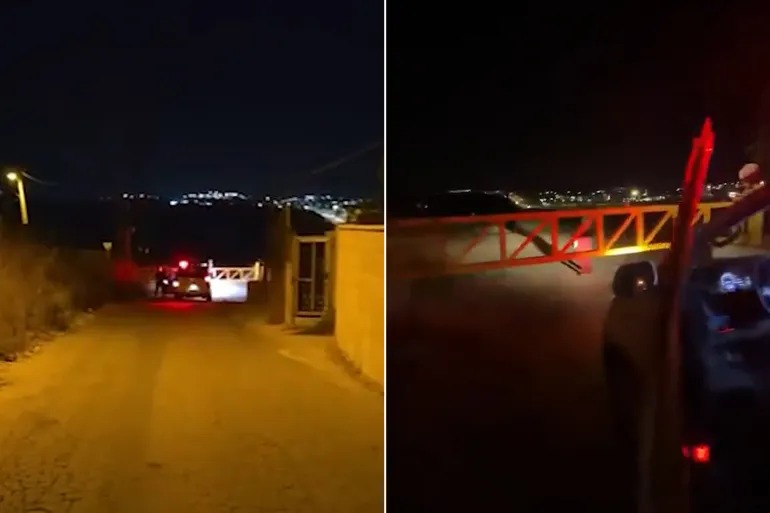
Movement restrictions have further impeded access to emergency care. In July, women reportedly gave birth inside ambulances after road closures prevented them from reaching medical facilities. On 27 July, an ambulance carrying a hemorrhaging pregnant woman was delayed, after which she lost her fetus. Two other women reportedly gave birth in ambulances during the same period. On 19 July, a 30-year-old mother of two died following a heart attack after reportedly waiting more than 30 minutes for an ambulance at a town entrance. On 5 July, a four-month-old infant died after Israeli forces prevented the family from reaching a hospital.
Humanitarian providers have also faced growing constraints. Patient visits to mobile clinics operated by Physicians for Human Rights-Israel have reportedly doubled over the past two years, while UNRWA clinics face increased demand, chronic underfunding, and restrictions affecting the entry of medicines. Israeli authorities have cancelled the operating licenses of dozens of humanitarian organizations, including Doctors Without Borders, which subsequently halved its mobile clinic operations in southern Hebron, limiting alternative access to healthcare for tens of thousands of people.
Institutional Position
The right to health requires effective and timely access to healthcare facilities, medicines, medical personnel, and essential services. It cannot be meaningfully protected where patients cannot reach hospitals, ambulances cannot pass, medicines cannot reach pharmacies, or health workers cannot reach their workplaces.
The combined impact of Israel’s financial restrictions, movement barriers, medicine shortages, and constraints on humanitarian providers has significantly reduced the availability and accessibility of healthcare in the West Bank. The consequences fall particularly heavily on people requiring emergency treatment, pregnant women, children, older persons, people with chronic illnesses, and communities dependent on humanitarian or mobile services.
These measures must be assessed by their practical effects, not solely by whether treatment has been formally refused. Restrictions that foreseeably prevent patients from reaching care or obstruct the delivery of essential medical supplies directly affect the enjoyment of the right to health.
The same scrutiny applies to measures affecting humanitarian organizations. Where public health services already face severe financial and operational constraints, restricting organizations that provide alternative medical care risks further reducing access to essential services.
Applicable Legal Framework
As the occupying power, Israel is bound by the Fourth Geneva Convention to protect the health and welfare of the occupied population.
Article 55 requires the occupying power, to the fullest extent of the means available to it, to ensure the food and medical supplies of the population and to bring in necessary supplies where local resources are inadequate.
Article 56 requires the occupying power to ensure and maintain medical and hospital establishments and services, public health and hygiene, to the fullest extent of the means available to it and in cooperation with national and local authorities.
These obligations are directly relevant to restrictions affecting medical supplies, healthcare facilities, patients, ambulances, and medical personnel.
The right to health is also protected under Article 12 of the International Covenant on Economic, Social and Cultural Rights, which requires States to take steps necessary for the prevention, treatment, and control of disease and to ensure access to medical services and attention in the event of sickness. Measures that create substantial barriers to essential healthcare require assessment against the principles of non-discrimination, necessity, and proportionality.
Demands Aligned with International Human Rights Principles
|
Demand |
Relevant International Human Rights Standard |
|
Release the withheld clearance revenues and ensure adequate resources for essential public health services, including health-worker salaries, medicines, and medical facilities. |
Fourth Geneva Convention, Articles 55–56; ICESCR Article 12. |
|
Remove restrictions that prevent or unreasonably delay ambulances, patients, medical personnel, and essential medical supplies from reaching healthcare facilities. |
Protection of medical services under international humanitarian law; ICESCR Article 12. |
|
Ensure the timely and unhindered entry and distribution of essential medicines, medical supplies, and equipment. |
Fourth Geneva Convention, Article 55; ICESCR Article 12. |
|
Review the cancellation of licenses of humanitarian and medical organizations and restore authorization where restrictions fail to meet the requirements of legality, necessity, and proportionality. |
Freedom of association; right to health; protection of humanitarian assistance. |
|
Ensure independent investigation and accountability where restrictions unlawfully interfere with access to essential medical care. |
Right to an effective remedy; rule of law; accountability under international law. |
|
Permit independent international monitoring of the impact of restrictions on healthcare access throughout the West Bank. |
Effective monitoring and accountability under international human rights and humanitarian law. |
Healthcare must remain accessible to the civilian population irrespective of political or security circumstances. Hospitals, ambulances, medicines, medical personnel, and humanitarian health services are essential to the protection of human dignity and must be safeguarded in accordance with international humanitarian and human rights law.
Women Journalists Without Chains
Geneva, Switzerland – August 7, 2026