 En
En  Ar
Ar Lebanon Strikes: Rising Concerns Over Israeli Compliance with International Humanitarian Law
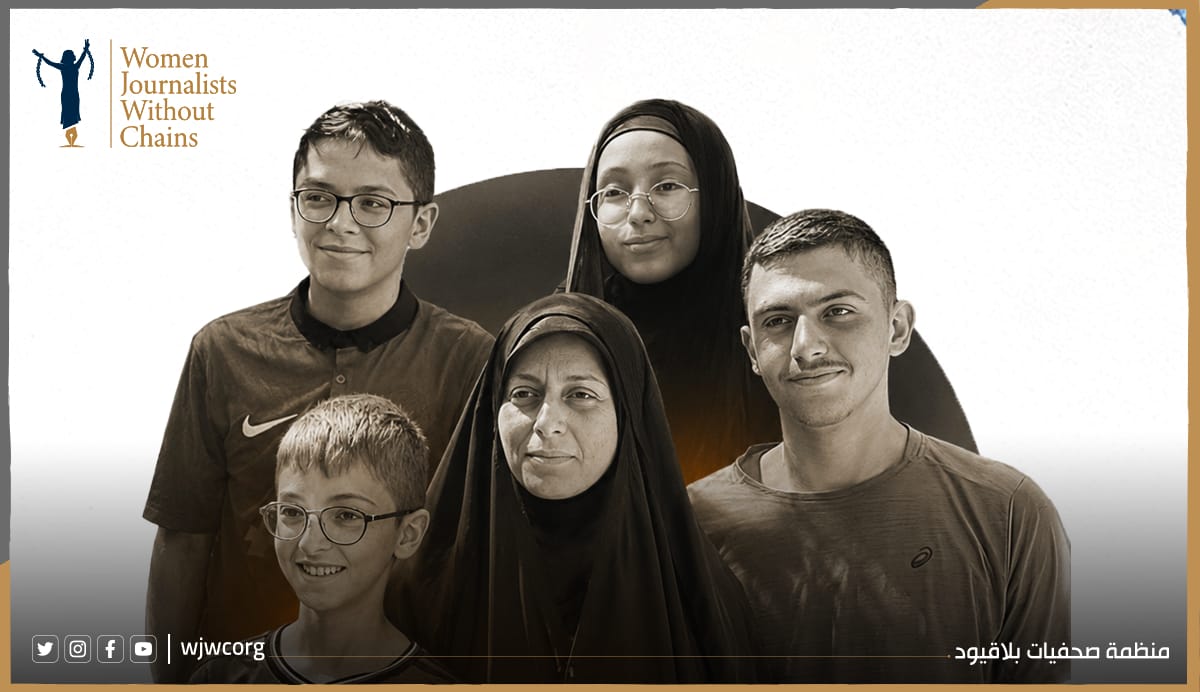
The killing of Lebanese translator and poet Zeinab Mahdi Nasser al‑Din, alongside her four children and parents, in an Israeli airstrike in southern Lebanon highlights critical concerns regarding civilian protection.
As military operations continue to endanger cultural and media professionals, this incident underscores the urgent need to scrutinize Israel’s adherence to international humanitarian law and its duty to protect freedom of expression.
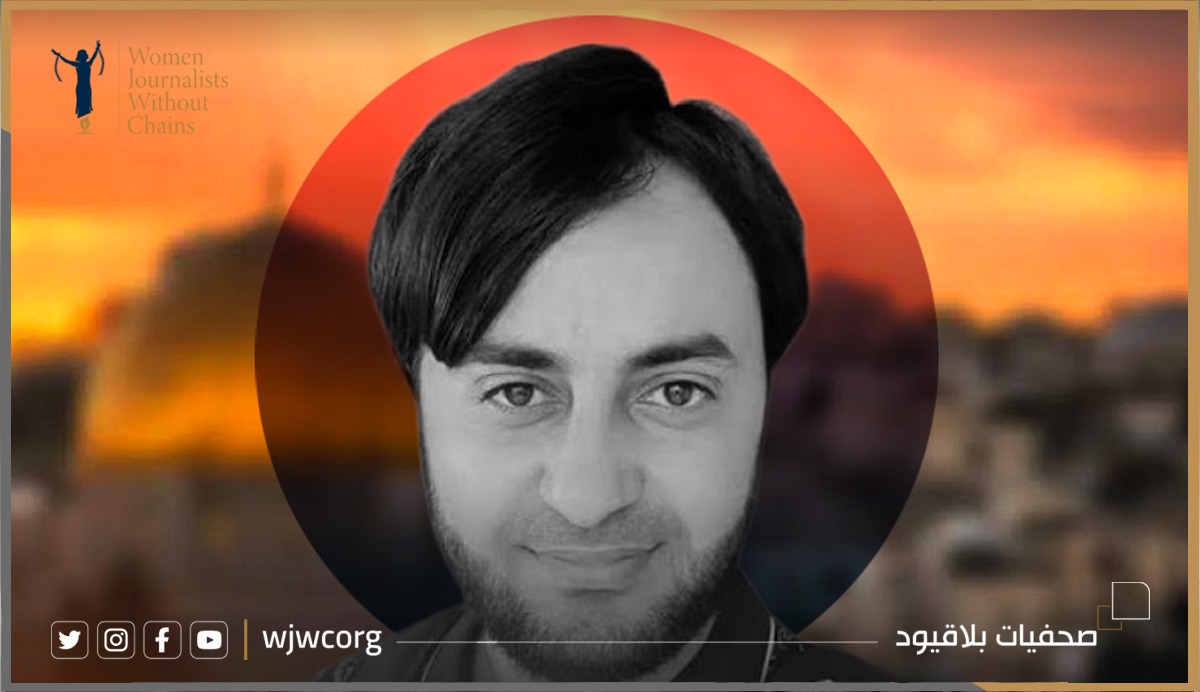
On 15 August 2026, an Israeli airstrike struck the family home of Zeinab Mehdi Nasser al-Din in the town of Ansar, Nabatieh district, southern Lebanon. The attack killed Nasser al-Din, her four children, and both of her parents, while three other individuals were injured.
Zeinab Mehdi Nasser al-Din was a poet and literary translator known for her Arabic translations of Victor Hugo's The Hunchback of Notre-Dame and Alexandre Dumas's The Three Musketeers.
Other documented cases in 2026 concerning Israeli attacks on journalists and cultural professionals in Lebanon include:
- 4 June – Abbasiya: filmmaker Ali Khalil was killed in an airstrike on his home.
- 22 April – Tyre: journalists Amal Khalil and Zeinab Faraj were killed while carrying out their professional duties.
- 8 April – Beirut (Tallet al-Khayyat): poet Khatoun Salma and her husband were killed in an airstrike on a residential building.
- Tyre: broadcaster Ghada Daykh of Sawt al-Farah Radio was killed in her home.
- Kifoun: television presenter and producer Suzanne al-Khalil of Al Manar was killed in an airstrike on her home.
- 28 March – Near Jezzine: Al Mayadeen correspondent Fatima Fatouni, photographer Mohammad Fatouni, and Al Manar correspondent Ali Shaib were killed while traveling to cover developments.
- 18 March – Beirut (Zqaq al-Blat): Mohammad Shri, director of political programs at Al Manar Television, was killed alongside his wife and other family members.
- 12 March – Aramoun: photographer and director Mohammad Shihab and his daughter were killed in an airstrike, while his wife sustained serious injuries.
Available reports indicate that at least twenty-two journalists, media workers, writers, and cultural figures have been killed in Lebanon since 2023. Israeli military operations have also resulted in thousands of civilian casualties and widespread displacement across southern Lebanon.
Institutional Position
The protection of civilians is a fundamental obligation under international humanitarian law. Journalists, translators, writers, filmmakers, and other cultural professionals retain civilian protection unless and for such time as they directly participate in hostilities. Their deaths in residential homes or while carrying out professional work therefore require careful examination of whether the applicable rules governing military operations were respected.
The reported incidents raise serious concerns regarding compliance with the principles of distinction, proportionality, and precautions in attack. Repeated strikes affecting residential buildings, media professionals, children, and emergency responders underscore the need for independent assessment of whether all feasible measures were taken to minimize civilian harm.
Beyond the immediate loss of life, the killing of journalists and cultural figures threatens the public's right to receive information and weakens the capacity of independent voices to document events of significant public interest. Protecting those who report, translate, document, and preserve cultural expression remains essential to safeguarding civic space and accountability during armed conflict.
Applicable Legal Framework
International humanitarian law requires all parties to an armed conflict to distinguish at all times between civilians and combatants, and between civilian objects and military objectives. Attacks must comply with the principles of distinction, proportionality, and precautions in attack, including the obligation to take all feasible measures to minimize incidental civilian harm.
The Fourth Geneva Convention provides protections for civilians during armed conflict, while Article 79 of Additional Protocol I specifically protects journalists engaged in dangerous professional missions. United Nations Security Council Resolution 1738 (2006) reaffirms the obligation of parties to armed conflict to protect journalists, media professionals, and associated personnel.
The International Covenant on Civil and Political Rights guarantees the right to life under Article 6 and freedom of expression under Article 19, and requires effective remedies where protected rights have been violated. The reported incidents therefore warrant independent investigation to determine whether military operations complied with applicable international humanitarian and human rights obligations.
Demands Aligned with International Human Rights Principles
|
Demand |
Relevant International Standard |
|
To the Government of Israel and the Israel Defense Forces: Immediately ensure that all military operations in Lebanon and Gaza fully comply with the principles of distinction, proportionality, and precautions in attack, and refrain from directing attacks against civilians and civilian objects. |
Geneva Conventions; Additional Protocol I (Arts. 48, 51, 57); ICCPR Art. 6 |
|
Take all feasible measures to protect journalists, translators, media workers, writers, and other cultural professionals who are not directly participating in hostilities. |
Additional Protocol I Art. 79; UNSC Resolution 1738 (2006); ICCPR Art. 19 |
|
Conduct prompt, independent, impartial, and transparent investigations into airstrikes that have killed journalists, media workers, cultural figures, and their family members, and make the findings public. |
ICCPR Art. 2(3); international humanitarian law obligations concerning accountability |
|
Ensure that individuals found responsible for unlawful killings are held accountable through fair proceedings before competent, independent, and impartial tribunals. |
Rome Statute Art. 8; ICCPR Arts. 2(3) and 14 |
|
Provide effective remedies and appropriate reparation, including compensation where unlawful conduct is established, to survivors and the families of victims. |
ICCPR Art. 2(3); UN Basic Principles on the Right to a Remedy and Reparation |
|
To the United Nations and Member States: Support independent international investigations into attacks affecting civilians, journalists, and cultural professionals, and ensure effective monitoring and documentation of alleged violations. |
UNSC Resolution 1738; Common Article 1 to the Geneva Conventions |
|
Review military assistance and arms transfers, consistent with international law, where there is a clear risk that such support could contribute to serious violations of international humanitarian law. |
Common Article 1 to the Geneva Conventions; Arms Trade Treaty (where applicable) |
|
To the Government of Lebanon: Facilitate safe and unimpeded access for independent international investigators, humanitarian organizations, and human rights monitors to affected areas within Lebanese territory. |
Applicable international humanitarian and human rights law |
The protection of civilians, including journalists, translators, writers, and other cultural professionals, is a binding obligation under international law. The killing of Zeinab Mehdi Nasser al-Din and her family, together with the documented deaths of numerous media professionals and thousands of civilians, underscores the urgent need for effective accountability, independent investigation, and strict adherence to the rules designed to protect human life during armed conflict.
Women Journalists Without Chains
Geneva, Switzerland —August 16, 2026