 En
En  Ar
Ar Palestine: Death of Journalist Diab in Israeli Custody After Concealment Demands Urgent Investigation
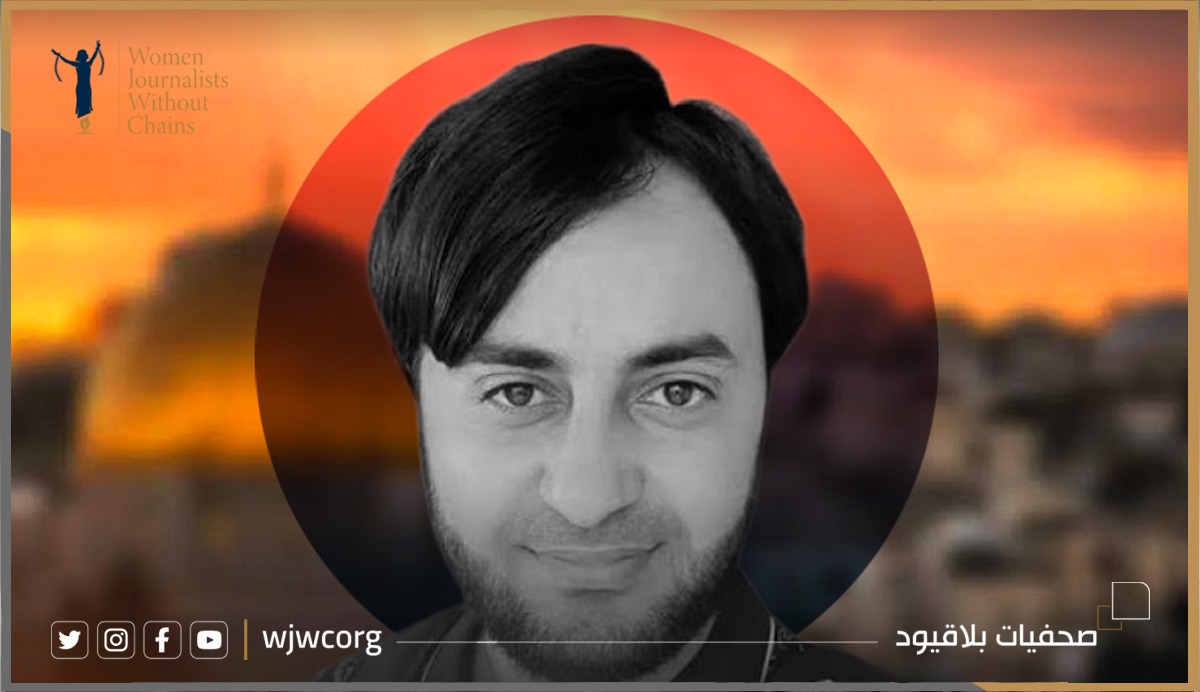
The confirmed death in Israeli custody of Palestinian journalist Ihab Mohammed Abdelqader Diab, after more than two years without information about his whereabouts or condition,
raises grave concerns over the treatment of Palestinian detainees. The circumstances surrounding his detention and death, alongside allegations of ill-treatment, denial of medical care and degrading treatment in Israeli prisons, require independent investigation and effective accountability.
Background
Ihab Mohammed Abdelqader Diab, born in 1990, was a journalist and graduate of Al-Azhar University in Gaza, where he obtained a bachelor's degree in journalism and media. He was married and had two children.
Israeli occupation forces arrested Diab in front of his family on December 12, 2023. His family subsequently received no information about his whereabouts or condition. Israeli authorities had previously denied his detention while providing no public information establishing his fate.
On Sunday, August 9, 2026, the Palestinian Prisoner’s Club announced Diab's death after receiving official confirmation from Israeli prison authorities. Available information indicates that he may have died in September 2024. The circumstances and cause of his death have not been independently established.
The Prisoner’s Club has documented more than 250 arrests and detentions of journalists since October 2023. Diab is reported to be the second journalist to have died in Israeli custody during this period, following journalist Marwan Herzallah.
With Diab's death, the number of Palestinian prisoners officially reported to have died in Israeli custody since October 2023 has risen to 91, and to 328 since 1967. Around 9,500 Palestinians reportedly remain detained under conditions including inadequate medical care, deprivation of food, mistreatment and physical assault.
During the war, documented allegations have also included forced arrests, stripping detainees of clothing, blindfolding and public humiliation. Palestinian women have reported sexual violence during detention. Concerns have further been raised regarding the detention of Palestinian medical personnel, including Dr. Hossam Abu Safiya, and proposed legislation referred to as the “Prisoner Execution Law.”
According to figures cited from the Palestinian Ministry of Health in Gaza, 73,381 Palestinians had been killed between October 7, 2023, and August 5, 2026. The figure covers bodies identified and transferred to hospitals, while thousands are reportedly believed to remain beneath rubble or in inaccessible areas.
Institutional Position
The death of a person in custody places a heightened obligation on the detaining authority to establish the circumstances and cause of death through a prompt, thorough, independent and impartial investigation. This obligation is particularly important where a detainee's family has been denied information about his fate and where allegations of inadequate medical care or ill-treatment arise.
The circumstances surrounding Diab's detention and death raise concerns regarding compliance with fundamental safeguards applicable to persons deprived of liberty. Detainees must be treated humanely and protected against torture and cruel, inhuman or degrading treatment, while their families must be able to obtain information concerning their fate and whereabouts.
The documented treatment of Palestinian detainees—including denial of medical care, physical abuse, degrading treatment and sexual violence—requires independent investigation and accountability. Every death in custody must be examined to determine whether unlawful treatment, neglect or failure to provide necessary medical care contributed to the death.
The detention or mistreatment of journalists also has direct implications for freedom of expression and the public's right to receive information. Journalists must not be arbitrarily deprived of their liberty or subjected to reprisals because of their professional activities.
Applicable Legal Framework
Article 6 of the International Covenant on Civil and Political Rights protects the right to life, while Articles 7 and 10 prohibit torture and other cruel, inhuman or degrading treatment and require humane treatment of persons deprived of liberty. The Convention against Torture requires effective measures to prevent torture and other prohibited ill-treatment and to investigate credible allegations promptly and impartially.
The Fourth Geneva Convention provides additional protections for civilians in situations of occupation, including protection against violence, torture and degrading treatment and obligations concerning the humane treatment and medical care of detainees.
These standards require authorities to ensure lawful and humane detention, adequate medical care, effective safeguards against abuse, and meaningful remedies where rights are violated.
Demands Aligned with International Human Rights Principles
|
Demand |
Relevant International Human Rights Standard |
|
Conduct an independent and impartial investigation into Ihab Diab's death, including the circumstances and cause of death and the conditions of his detention. |
Right to life; obligation to investigate potentially unlawful deaths. |
|
Investigate all reported deaths and allegations of torture, ill-treatment, sexual violence and denial of medical care in Israeli custody, and prosecute those responsible where evidence establishes criminal liability. |
ICCPR Articles 6, 7 and 10; Convention against Torture. |
|
Ensure humane detention conditions and adequate medical care for all Palestinian detainees, including access to necessary medicines and treatment. |
ICCPR Article 10; Convention against Torture; Fourth Geneva Convention. |
|
Ensure that journalists are not arbitrarily detained or subjected to reprisals because of their professional activities. |
ICCPR Articles 9 and 19; freedom of expression and protection against arbitrary detention. |
|
Reject measures permitting the execution of prisoners where they would conflict with the right to life and the prohibition of arbitrary deprivation of life. |
ICCPR Article 6 and international safeguards concerning the right to life. |
|
Ensure effective international scrutiny of alleged violations against Palestinian detainees through competent UN and international mechanisms. |
International obligations to investigate violations and provide effective remedies. |
The protection of human dignity, the right to life, the prohibition of torture and the safeguards governing deprivation of liberty remain binding obligations in situations of armed conflict. The circumstances surrounding Ihab Diab's death must therefore be addressed through transparent investigation, effective remedies and accountability for any violations established.
Women Journalists Without Chains
Geneva, Switzerland – August 10, 2026