 En
En  Ar
Ar Morocco: Expulsion of RTVE and EFE Journalists Restricts Scrutiny of Migration Enforcement
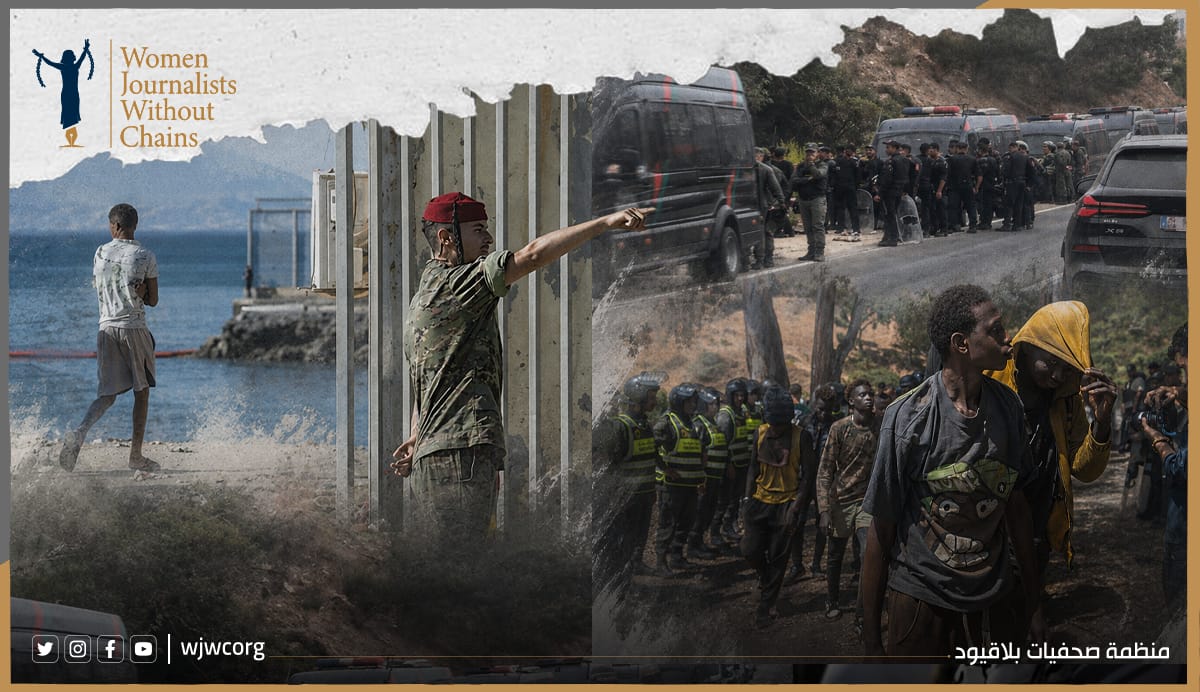
The expulsion of journalists from Spain’s public broadcaster RTVE and news agency EFE while they were covering Moroccan security operations against migrants near the Ceuta border raises serious concerns regarding press freedom, access to information,
and independent scrutiny of the use of force. The incident, occurring amid a deadly border crisis involving large numbers of migrants, warrants scrutiny of whether restrictions imposed on journalists comply with Morocco’s domestic and international obligations to protect freedom of expression and access to information.
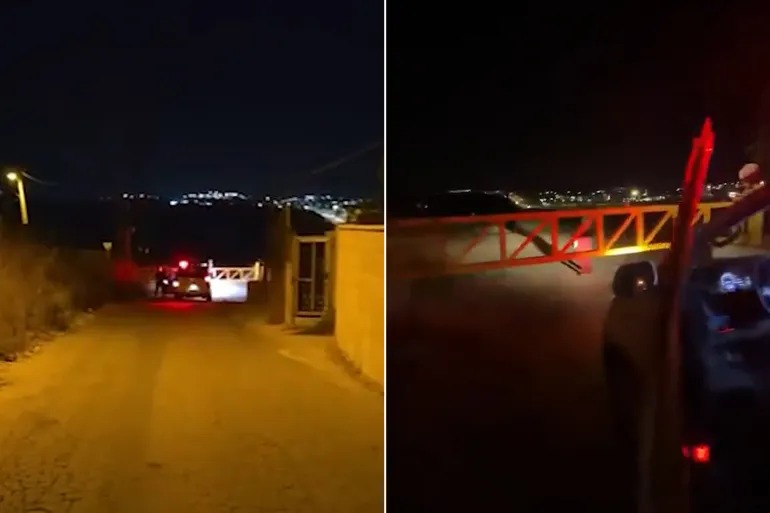
On 15 August 2026, Moroccan authorities ordered journalists from RTVE and EFE to stop reporting and leave the city of Fnideq, near the border with Ceuta, while they were covering security operations against migrants attempting to reach the Spanish territory. The RTVE team was subsequently required to leave Tetouan and travel to Rabat. (RTVE.es)
According to accounts from the affected journalists, a local Interior Ministry official ordered them to leave immediately without providing a written decision or a stated legal basis. The journalists were reportedly warned that they could lose their press accreditations and equipment, while their hotels were informed that they had been ordered to leave. RTVE subsequently reported that its journalists were also told that their images could be confiscated. (RTVE.es)
The expulsions occurred as Moroccan security forces were dispersing groups of migrants near Fnideq following calls on social media for a renewed attempt to reach Ceuta. RTVE reported that its correspondent was covering police operations against migrants, many of them from sub-Saharan African countries, shortly before the team was ordered to leave the area. (RTVE.es)
The incident followed a large-scale movement of migrants toward Ceuta on 30 and 31 July 2026. Available reports indicated that tens of thousands of people crossed or attempted to cross from Morocco toward Ceuta by land and sea within a short period. At least 90 people were reported to have died on both sides of the border, while human rights organizations reported a higher toll.
Large numbers of migrants were subsequently returned or transferred to Morocco amid concerns regarding the circumstances of those returns, the identification of asylum seekers, the protection of unaccompanied children, and access to medical care for injured persons. Moroccan authorities later increased their security deployment around Fnideq following renewed calls for a mass crossing on 15 August and reported the detention of hundreds of people.
RTVE reported that Moroccan authorities had deployed a substantial security presence around the border and that nearly 300 people were detained during the 15 August operation. It also reported that journalists from RTVE and EFE were expelled from Fnideq while security forces were dispersing migrants. (RTVE.es)
RTVE publicly rejected the expulsion, describing it as a serious obstacle to press freedom and the right to information. Spanish government sources also indicated that the Spanish Embassy in Rabat was in contact with the affected journalists and Moroccan authorities. RTVE reported that some Moroccan media attributed the decision to a principle of reciprocity linked to restrictions previously faced by Moroccan public television in Ceuta, although this explanation was not presented as a formal justification by the Moroccan authorities. (RTVE.es).
Institutional Position
Freedom of the press and public access to information are essential safeguards when authorities exercise coercive powers, particularly during border operations involving migrants and the use of force. Journalists reporting from areas where security forces are conducting operations must be able to observe, document, and report on matters of clear public interest without arbitrary interference.
The expulsion of RTVE and EFE journalists during a security operation raises concerns because it restricted independent reporting at the precise time when public scrutiny was most necessary. The absence, as reported, of a clear written decision and publicly stated legal basis further raises questions about whether the restrictions satisfied the requirements of legality, necessity, and proportionality.
The issue is not limited to the journalists' ability to continue working. Restricting independent media access can also impede the public's ability to verify how security forces treat migrants, whether force is used lawfully and proportionately, where detainees are taken, and whether injured persons receive appropriate medical care. These concerns are particularly significant in light of the deaths reported during the wider border crisis and the detention and transfer of large numbers of migrants.
Claims that the restrictions were motivated by reciprocity with measures affecting Moroccan media in Spain do not, in themselves, provide a sufficient legal basis for restricting individual journalists. Journalists should not be subjected to professional restrictions or retaliation because of policies adopted by another state.
Applicable Legal Framework
Articles 27 and 28 of the Moroccan Constitution guarantee the right of access to information and freedom of the press, and provide constitutional protection against prior censorship. Any restriction on these rights must comply with the conditions established by law and the Constitution.
Article 19 of the International Covenant on Civil and Political Rights protects the right to seek, receive, and impart information and ideas through the media. Restrictions are permissible only when provided by law and strictly necessary for a legitimate purpose recognized under the Covenant. Any measure imposed on journalists therefore requires a clear legal basis and must meet the tests of legality, necessity, and proportionality.
The use of force by law enforcement authorities must also respect the principles of legality, necessity, proportionality, and accountability. The UN Basic Principles on the Use of Force and Firearms by Law Enforcement Officials require agencies to apply non‑violent means wherever possible and to resort to force only when strictly necessary and proportionate to a legitimate objective.
Migrants and asylum seekers are entitled to protection against torture and other prohibited ill‑treatment. Article 3 of the Convention against Torture prohibits returning a person to a state where substantial grounds exist to believe they would face torture. Any transfer or removal must therefore comply with non‑refoulement obligations, and persons seeking international protection must have meaningful access to procedures capable of identifying such risks.
The reported detention and transfer of migrants—particularly unaccompanied children, injured persons, and potential victims of trafficking—require individual assessment and safeguards consistent with international human rights standards.
Demands Aligned with International Human Rights Principles
|
Demand |
Relevant International Standard |
|
To the Government of Morocco: Immediately rescind any restriction preventing RTVE and EFE journalists from reporting from Fnideq, Tetouan, and other areas relevant to the border operations, and allow accredited journalists to work freely and safely without retaliation for their professional activities. |
Moroccan Constitution, Arts. 27–28; ICCPR Art. 19 |
|
Publish the legal basis and competent authority for the decision to expel the journalists, and clarify whether any written order, administrative decision, or security directive was issued. |
Moroccan Constitution; ICCPR Art. 19 |
|
Refrain from confiscating journalistic equipment, deleting or withholding journalists' recordings, or threatening the withdrawal of press accreditations in response to lawful reporting. |
ICCPR Art. 19; Moroccan constitutional protections for freedom of the press |
|
Conduct an independent and transparent review of the circumstances surrounding the expulsion and any threats made against the journalists, and hold officials accountable for unlawful interference with press freedom where violations are established. |
ICCPR Arts. 2(3) and 19 |
|
Ensure that law enforcement operations involving migrants comply with the principles of legality, necessity, proportionality, and precaution, and conduct effective investigations into allegations of excessive or unlawful use of force. |
ICCPR Arts. 6 and 7; UN Basic Principles on the Use of Force and Firearms |
|
Publish information on persons detained or transferred during the border operations, subject to legitimate privacy protections, and ensure that detainees can communicate with their families and lawyers and receive necessary medical care. |
ICCPR Arts. 9 and 10; applicable international human rights standards |
|
Ensure that every person seeking international protection has access to an effective procedure for assessing protection needs and that no person is transferred where such transfer would violate applicable non-refoulement obligations. |
Convention against Torture, Art. 3; applicable refugee and human rights law |
|
Provide heightened safeguards for unaccompanied children, persons with medical needs, and potential victims of trafficking, including individualized assessment and appropriate protection. |
Convention on the Rights of the Child; applicable international human rights standards |
|
To the Government of Spain and the European Union: Ensure that cooperation with Morocco on migration and border management does not contribute to restrictions on press freedom or prevent independent monitoring of the treatment of migrants. |
ICCPR Art. 19; applicable international human rights and refugee standards |
|
Support independent monitoring and documentation of the treatment of migrants at the Morocco–Ceuta border and ensure that human rights safeguards remain an integral part of bilateral and European migration cooperation. |
International human rights law; relevant EU human rights and migration standards |
Independent journalism is an essential safeguard wherever state authorities exercise coercive powers over civilians and migrants. The expulsion of RTVE and EFE journalists during a major border operation raises legitimate concerns about transparency, accountability, and the public's ability to scrutinize the use of force and treatment of migrants. Respect for press freedom, access to information, and the rights of migrants must remain integral to any lawful and rights-respecting approach to border management.
Women Journalists Without Chains
Geneva, Switzerland —August 17, 2026