 En
En  Ar
Ar Weaponizing Thirst: Iranian Strikes on Kuwaiti Civilian Infrastructure and Violations of International Humanitarian Law
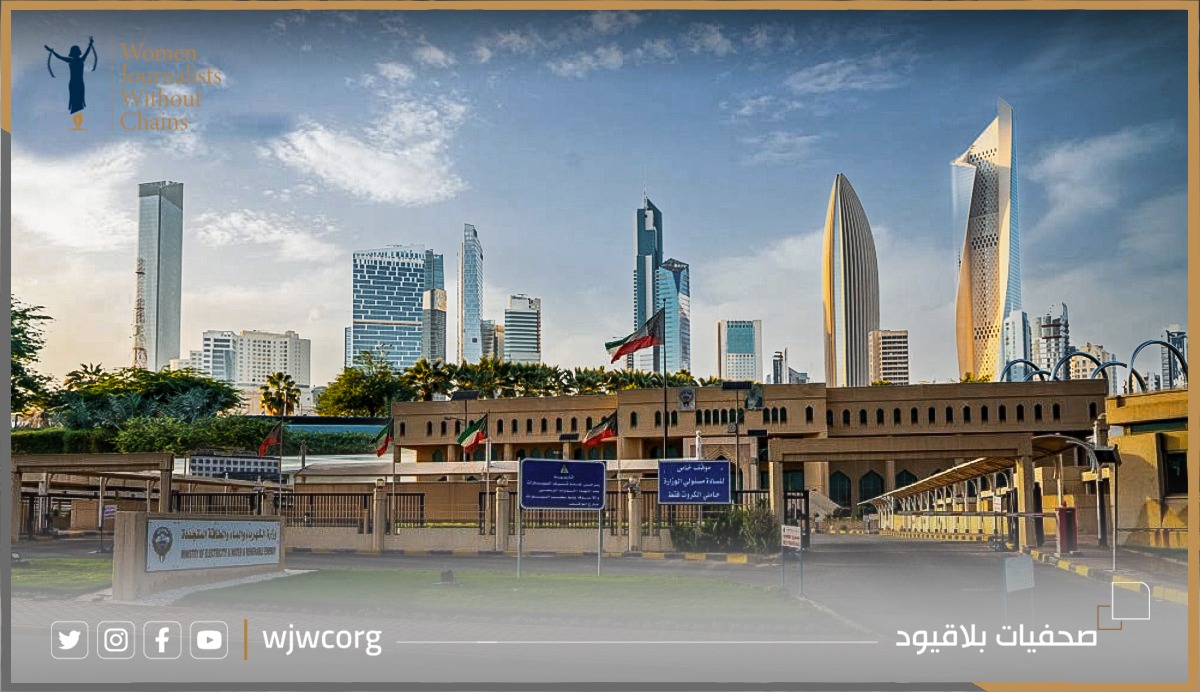
Iranian missile strikes on Kuwaiti power stations and water desalination plants between 17 and 22 July 2026 constitute a grave violation of international humanitarian law.
These attacks transformed civilian infrastructure essential to survival into instruments of warfare, depriving a population that derives approximately ninety percent of its drinking water from desalination of access to water and electricity.
Kuwait is not a party to the conflict between the United States and Iran. Its foreign ministry has stated that it will not allow its territory, airspace, or waters to be used for hostile acts, and has denied that American strikes against Iran were launched from Kuwaiti soil. Yet its civilians are paying a price that international law does not permit.
The attacks were repeated over four days and struck multiple electrical and water facilities. In Kuwait's arid landscape, desalination plants are not interchangeable utilities; they are the primary artery of life. Sustained disruption would cascade through hospitals, homes, shelters, fire suppression systems, sewage treatment, and food production. The most vulnerable — children, the elderly, the sick, low-income laborers — would face risks extending far beyond thirst into public health, human dignity, and the fundamental right to life.
The presence of American bases or forces in Kuwait does not strip the nation's infrastructure of its civilian character, nor does it grant Iran license to attack public services. Under international humanitarian law, there must be proof of actual contribution to military action, and the damage must yield a definite and direct military advantage. Even then, the principles of distinction, proportionality, and precaution remain non-negotiable.
International humanitarian law does not permit attacking civilians or civilian objects in response to violations by the other side. American strikes on Iranian civilian or dual-use infrastructure — including water, electricity, transport, and communications sites — do not grant Iran the right to inflict equivalent suffering on Kuwaiti civilians. Retaliation against civilians is not self-defense; it is the deliberate expansion of the victim pool. Using damage to Iranian infrastructure as a pretext to strike Kuwaiti facilities turns civilians on both sides into negotiating tools — a flagrant violation of the protective principles underpinning the laws of war.
American officials have reportedly linked every Iranian attack on shipping to the destruction of a bridge or power station inside Iran. Such statements raise the disturbing possibility that some strikes are governed by a logic of punishment and tit-for-tat rather than defined military necessity. Civilian infrastructure does not become a lawful target simply because it represents leverage against an adversary. Depriving populations of essential services is not a permissible method of coercing governments.
Inside Iran, the damage has been documented. Local authorities reported that an agricultural pumping station in Khuzestan was hit, killing one worker. A desalination facility in Jask was struck on 18 July, destroying parts of the pumping system and affecting water supplies for roughly ten thousand people. Power outages and temporary communication disruptions were recorded between the Iranian mainland and some islands. None of this grants Iran the right to inflict equivalent suffering on Kuwaiti civilians.
Under international humanitarian law, water treatment plants, power stations, commercial ports, civilian vessels, bridges, and communication networks are presumed civilian objects. They may only be targeted if they meet strict, proven criteria for conversion into military objectives. Drinking water installations and supplies indispensable to civilian survival enjoy additional protection. Article 54 of Additional Protocol I to the Geneva Conventions prohibits attacking, destroying, or disabling objects indispensable to civilian survival — including drinking water supplies — with the purpose of denying their sustenance value to civilians. It prohibits making such installations the object of reprisals, and forbids attacks expected to leave civilians without sufficient water to threaten their survival or force their displacement. These protections form part of customary international law.
Deliberately targeting desalination plants because they represent a vulnerability affecting the population, or with intent to deny water and pressure a government, constitutes a grave violation. If proven that attacks were deliberately directed against civilian objects or objects indispensable to civilian survival, or conducted with knowledge that civilian damage would be excessive compared to the direct and concrete military advantage anticipated, they may rise to the level of war crimes.
A final legal determination requires examination of targeting data, the nature of each facility's use, the munitions employed, available alternatives, warnings given, and precautions taken. The repetition of attacks, the nature of the facilities struck, and the population's dependence upon them provide serious grounds for an independent international investigation that must not be obstructed by political considerations.
Institutional Position
The conversion of water and civilian infrastructure into instruments of war by Iranian attacks on Kuwaiti desalination and power facilities, and by reported American strikes on Iranian civilian infrastructure under a logic of reprisal, constitutes a grave violation of international humanitarian law and a direct threat to the right to life. The absence of independent verification of targeting decisions, compounded by statements linking attacks to tit-for-tat retaliation rather than defined military necessity, entrenches impunity and magnifies the violation. The use of thirst as a weapon, the transformation of civilian survival into a bargaining chip, and the deliberate expansion of the victim pool across borders represent an attack on the fundamental principles of distinction, proportionality, and precaution. When belligerents treat drinking water as a negotiating card, they erode the legal safeguards protecting civilians in armed conflict and threaten the conditions of life itself. Immediate corrective measures are required to halt attacks on civilian infrastructure, ensure accountability, and restore compliance with international humanitarian law.
Demands Aligned with International Human Rights Principles
|
Demand |
International Legal Principle |
|
Iran must immediately cease all attacks on desalination plants, power stations, and civilian facilities in Kuwait and the region; refrain from using water, energy, and commercial navigation as tools of retaliation; and disclose claimed military objectives and information necessary for independent investigation. |
Protection of Civilian Objects; Prohibition of Attacks on Objects Indispensable to Survival (AP I Art. 54; Geneva Convention IV; Customary IHL) |
|
The United States must halt attacks on civilian objects or strikes carried out under a logic of reprisal inside Iran; disclose the military and legal basis for strikes on water, electricity, transport, and communications facilities; and provide verifiable information on proportionality assessments and precautions taken. |
Principle of Distinction; Prohibition of Reprisals Against Civilians (AP I Arts. 48, 51, 54; Geneva Convention IV) |
|
An independent international investigation must examine Iranian attacks on civilian infrastructure in Kuwait and the Gulf states, and American strikes on civilian or dual-use infrastructure inside Iran, to determine target nature, civilian harm, and responsibility for any unlawful attacks. |
Right to Truth and Accountability for War Crimes (Geneva Convention I Art. 49; Rome Statute Arts. 8, 25; UN Principles on the Effective Prevention and Investigation of Extra-legal, Arbitrary and Summary Executions) |
|
Kuwaiti authorities must publish regular, accurate information on water and electricity system status, damage extent, reserve levels, and repair plans; ensure any rationing is fair and transparent; and protect minimum water access for poor neighborhoods, laborers, health facilities, and shelters. |
Right to Water and Adequate Standard of Living (ICESCR Art. 11; UN General Comment No. 15) |
|
The United Nations, the International Committee of the Red Cross, and humanitarian organizations must support plans to protect drinking water and energy supplies in Iran and Kuwait, ensuring outages or rationing do not disproportionately deprive the most vulnerable. |
Duty to Ensure Humanitarian Access and Protection (UN Charter; Geneva Convention IV Arts. 23, 59; AP I Art. 70) |
Women Journalists Without Chains
Geneva, Switzerland — July 26, 2026