 En
En  Ar
Ar Tunisia: Life-Threatening Detention of Rached Ghannouchi Requires Urgent International Action
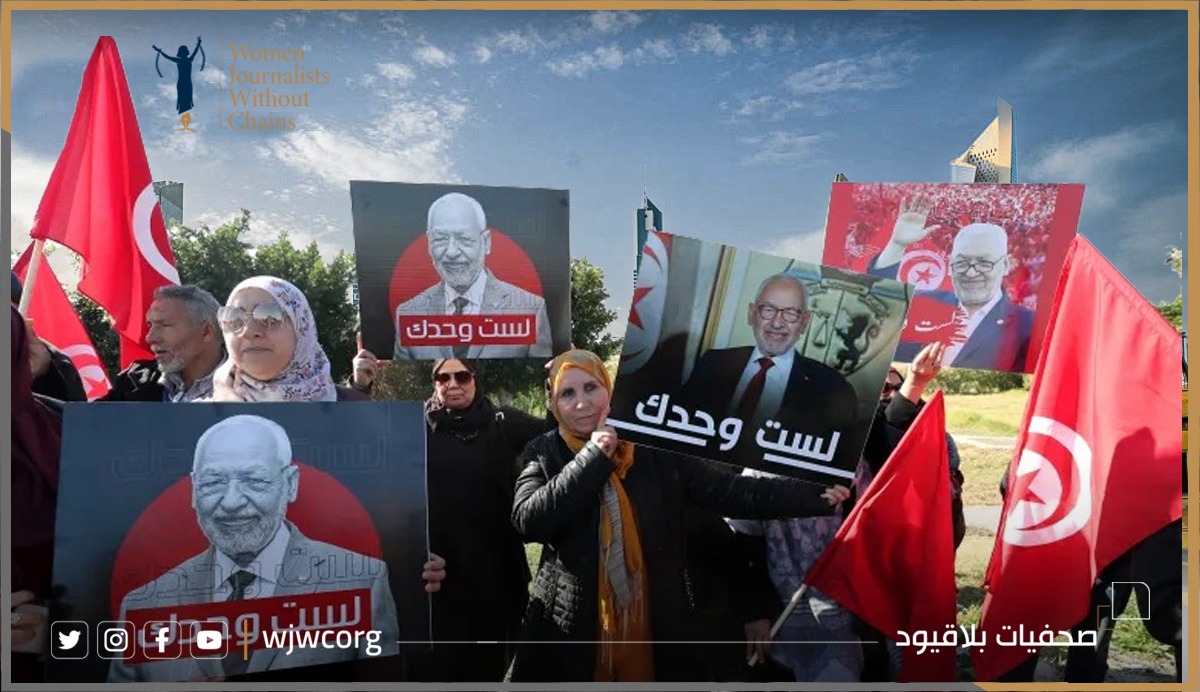
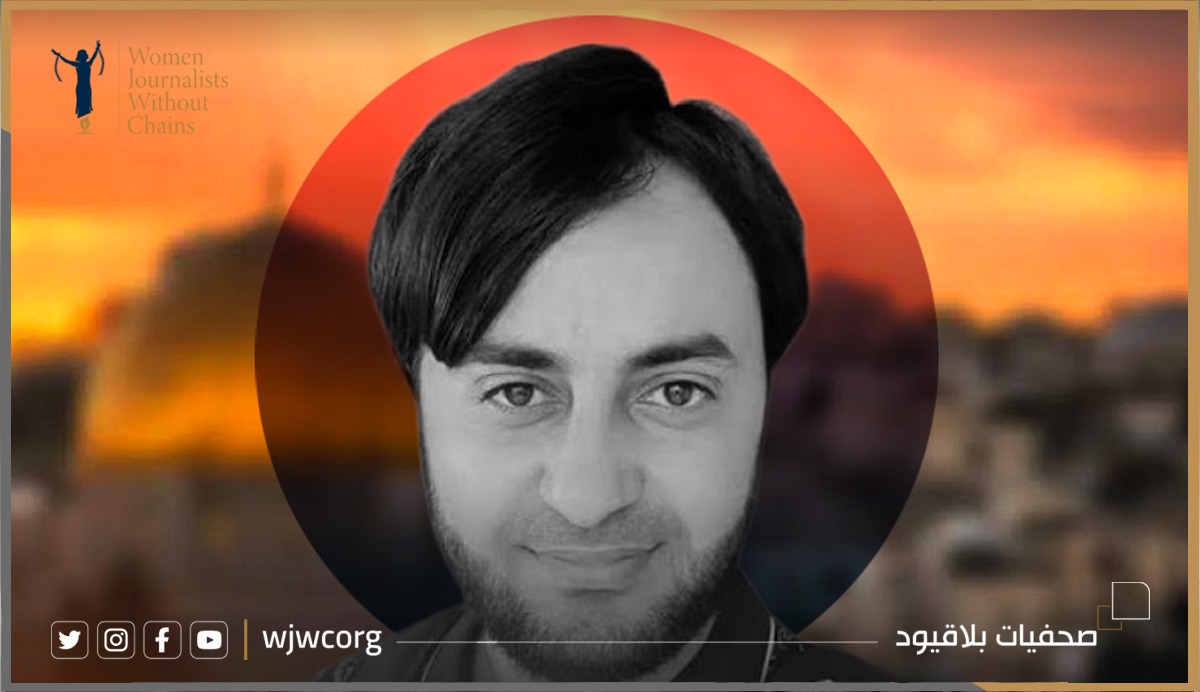
The continued imprisonment of Rached Ghannouchi, the 85-year-old former Speaker of the Tunisian Parliament and president of the Ennahda movement,
under conditions that seriously endanger his health constitutes cruel and degrading treatment for which the Tunisian authorities bear legal responsibility.
On 17 July 2026, Ghannouchi lost consciousness inside Mornaguia prison during a severe heat wave amid reports that the facility lacked adequate ventilation and cooling. He was transferred to hospital, where he remained until 27 July. Throughout this period, neither his family nor his lawyers were permitted to visit him or obtain verified information about his whereabouts or medical condition. The authorities disclosed neither the hospital to which he had been transferred nor the treatment he received.
After his return to prison, several members of his legal team were allowed to visit him. Ghannouchi told them that he had begun a hunger strike during his hospitalization to protest his complete isolation and the denial of contact with his family and lawyers, ending it only after receiving assurances that visits would resume. Resorting to a hunger strike to secure basic procedural safeguards underscores the arbitrariness of the restrictions imposed during his hospitalization and raises serious questions about their legal basis.
His lawyers further reported that he had been hospitalized five times within a single month. These repeated medical transfers, together with the authorities' refusal to disclose his condition or whereabouts during his hospitalization, warrant an independent investigation into the visitation ban, the withholding of medical information, and the decisions taken by the responsible authorities. They also reinforce the need for an independent medical assessment to determine whether his continued detention is compatible with his health and whether the prison administration is capable of providing the care he requires.
Under international human rights law, states are responsible for protecting the life, health, and physical integrity of all persons deprived of their liberty. This duty requires humane detention conditions, timely and continuous medical care, and protection against foreseeable risks to prisoners' health. The United Nations Standard Minimum Rules for the Treatment of Prisoners (the Nelson Mandela Rules) further require adequate health care, prompt access to emergency treatment, transfer to appropriate medical facilities where necessary, and detention conditions that meet basic standards of ventilation, temperature, and hygiene. In light of Ghannouchi's advanced age, chronic illnesses, repeated hospitalizations, and the reported prison conditions, his continued detention without adequate medical safeguards may amount to cruel, inhuman, or degrading treatment.
Ghannouchi's case forms part of the broader deterioration of civil and political rights in Tunisia since July 2021, characterized by the prosecution of political opponents, lawyers, journalists, and human rights defenders under charges including conspiracy against state security and terrorism in proceedings that have generated persistent concerns regarding judicial independence and fair-trial guarantees.
Arrested on 17 April 2023, Ghannouchi has since received multiple prison sentences in separate proceedings that he and his lawyers contend are politically motivated. Although the Tunisian authorities maintain that the judiciary operates independently and deny targeting political opponents, documented procedural deficiencies and restrictions on independent monitoring continue to cast doubt on compliance with international fair-trial standards.
In Opinion No. 63/2025, the UN Working Group on Arbitrary Detention concluded that Ghannouchi's detention is arbitrary and linked to the peaceful exercise of his fundamental rights and political activities. The Working Group called for his immediate release, compensation, and an independent investigation into the violations. Nevertheless, his detention has continued, and additional prison sentences have been imposed.
Proceedings against Ghannouchi and other Ennahda members have also been criticized for undermining defense rights through practices including remote hearings that restricted confidential communication with counsel, reliance on anonymous testimony and disputed evidence, and the imposition of lengthy prison sentences amid an expanding campaign against the political opposition.
Institutional Position
The imprisonment of Rached Ghannouchi under life-threatening conditions—including extreme heat, inadequate ventilation, repeated hospitalizations, and eleven days of incommunicado isolation during a medical emergency—constitutes a grave violation of the right to life, the prohibition of torture and cruel, inhuman or degrading treatment, and the protections afforded to detainees under international human rights law. The absence of independent medical oversight, compounded by the denial of family and lawyer access, the use of a hunger strike to secure basic rights, and the continued detention despite the UN Working Group's finding of arbitrary detention, compounds the violation and entrenches impunity. The treatment of an elderly, chronically ill prisoner for political ends, and the subordination of medical decisions to prison administration rather than professional judgment, constitute a direct assault on human dignity and the rule of law. By ignoring the UN Working Group's call for his release, escalating politically motivated prosecutions, and subjecting opposition leaders to life-threatening detention conditions, the authorities undermine the legal safeguards essential to protecting detainees and ensuring accountability. Immediate measures are required to end these violations, ensure accountability, and bring Tunisia into compliance with its international human rights obligations.
Demands Aligned with International Human Rights Principles
|
Demand |
International Legal Principle |
|
Release Rached Ghannouchi immediately and unconditionally as a political prisoner, in implementation of UN Working Group on Arbitrary Detention Opinion No. 63/2025, and in light of his age, health status, and repeated hospital transfers. |
Right to Liberty; Prohibition of Arbitrary Detention (ICCPR Art. 9; UN Working Group on Arbitrary Detention Opinion No. 63/2025) |
|
Guarantee that Ghannouchi is not subjected to any further prosecution or punishment for peaceful political activity or the exercise of freedom of opinion and expression. |
Freedom of Opinion and Expression; Right to Participate in Public Affairs (ICCPR Art. 19, Art. 25) |
|
Pending release, conduct a comprehensive and independent medical examination; permit physicians chosen by Ghannouchi or approved by his family to assess his condition; transfer him to a specialized medical facility if physicians so recommend; and refrain from returning him to any detention facility lacking adequate ventilation, cooling, and care. |
Right to Health and Humane Treatment of Detainees (ICCPR Art. 10; UN Nelson Mandela Rules; CAT) |
|
Allow his lawyers and family members to visit and communicate with him regularly and in private; enable his defense team to access medical reports and decisions concerning his transfers and treatment. |
Right to Fair Trial and Due Process; Right to Family Life (ICCPR Art. 14, Art. 17; UN Nelson Mandela Rules) |
|
Investigate his deprivation of contact throughout his hospitalization and hold accountable any official found to have issued or enforced an arbitrary isolation order. |
Right to Remedy and Accountability for Torture (CAT Arts. 12, 13, 14; UN Principles on the Effective Investigation of Torture) |
|
Take urgent measures to protect Ahmed Najib Chebbi and all elderly prisoners, those with chronic illnesses, and prisoners with disabilities from the current heat wave; conduct independent medical reviews of their conditions; and ensure that harsh detention conditions are never used as a tool to weaken or punish them beyond the scope of judicial sentences. |
Right to Health; Prohibition of Cruel, Inhuman or Degrading Treatment (ICCPR Art. 7, Art. 10; UN Nelson Mandela Rules; Convention on the Rights of Persons with Disabilities Art. 15) |
Women Journalists Without Chains
Geneva, Switzerland — July 28, 2026