 En
En  Ar
Ar Algeria: Dissolution of Independent Teachers' Union Undermines Freedom of Association
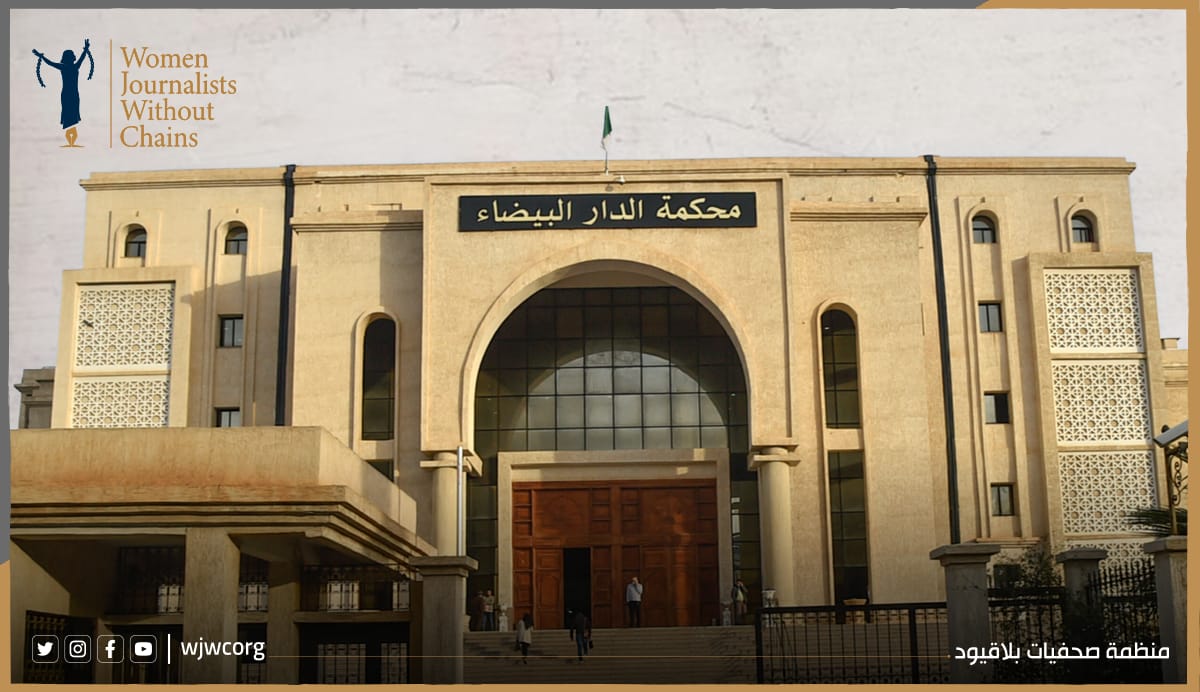
The judicial dissolution of the National Autonomous Council of Teachers of the Three Cycle Education Sector (CNAPEST), one of Algeria's principal independent education unions,
raises serious concerns regarding the protection of freedom of association and trade union rights. The decision to dissolve the union and proceed with its immediate liquidation, despite the availability of appellate remedies, places at risk the effective exercise of independent trade union activity and the broader framework of social dialogue in Algeria.
Background
On 28 July 2026, the Administrative Court of Bir Mourad Raïs in Algiers ordered the dissolution of the National Autonomous Council of Teachers of the Three Cycle Education Sector (CNAPEST) and appointed a liquidator, with immediate enforcement despite the possibility of appeal. The proceedings were initiated by the Ministry of Labour, with the support of the Ministry of National Education, under Law No. 23-02 governing the exercise of trade union rights. CNAPEST, registered since 2007, is one of Algeria’s principal independent unions representing workers in the education sector.
The full text of the ruling, its detailed reasoning, the administrative petition, parties’ submissions, and service records have not been officially published in a manner permitting independent review of the factual and legal basis for the decision. Available information indicates that the proceedings involved allegations concerning compliance with legal status or representativeness requirements under Law No. 23-02. The International Labour Organization has previously examined aspects of this law in relation to Convention No. 87 concerning Freedom of Association and Protection of the Right to Organize.
The immediate enforcement of the dissolution order and commencement of liquidation before the conclusion of appeal proceedings may result in irreversible consequences, including the closure of union offices, suspension of activities, disposal of assets, and loss of organizational records, potentially undermining the effectiveness of any subsequent judicial remedy.
Institutional Position
Freedom of association, including the right to establish, join, and operate independent trade unions, constitutes a cornerstone of democratic governance, social dialogue, and the protection of workers’ rights. The dissolution of a registered trade union represents one of the most severe restrictions that may be imposed on this fundamental freedom and must therefore be subject to the highest standards of legality, necessity, proportionality, and procedural fairness.
The dissolution of CNAPEST raises concerns regarding the use of restrictive measures against independent trade union activity in Algeria. Such measures should remain exceptional and applied only where a fair and transparent process establishes serious violations that cannot be addressed through less restrictive alternatives. Authorities must demonstrate that corrective measures, dialogue, compliance procedures, or other proportionate remedies have been genuinely considered and exhausted before resorting to the termination of a union’s legal existence.
The right to establish unions, join them, and conduct their activities independently is not an administrative privilege but a fundamental right protected under Algeria’s constitutional and international obligations. Disagreement with a union’s positions, advocacy, or methods of peaceful protest does not justify dissolving its legal existence. Any restriction on trade union activity must be based on clear legal grounds, subject to independent judicial review, and limited to what is strictly necessary and proportionate.
Weakening independent trade unions does not strengthen institutional stability or labour relations. Sustainable stability in the education sector and beyond depends on social dialogue, respect for the rule of law, judicial independence, and the protection of workers’ rights to association, collective representation, and peaceful advocacy.
Applicable Legal Framework
The dissolution of an independent trade union must be assessed against Algeria’s constitutional guarantees and its international obligations concerning freedom of association and trade union rights. The Algerian Constitution guarantees the right to establish and join trade unions and to engage in collective action. These protections are reinforced by Article 22 of the International Covenant on Civil and Political Rights (ICCPR), which safeguards freedom of association, and by ILO Conventions No. 87 and No. 98, ratified by Algeria, which protect the right to establish and operate independent trade unions without undue interference.
The implementation of any measure restricting trade union activity must comply with the principles of legality, necessity, proportionality, and effective judicial protection. Concerns arise where a union is dissolved without the publication of the full judicial reasoning, without a demonstrated opportunity to remedy alleged violations, and while liquidation proceeds before the exhaustion of available legal remedies. Such circumstances require close scrutiny in light of Article 14 of the ICCPR, which guarantees fair and public hearings before a competent, independent, and impartial tribunal.
Demands Aligned with International Human Rights Principles
|
Demand |
Relevant International Human Rights Standard |
|
Publish the full ruling and its reasoning, and ensure CNAPEST’s legal representatives have immediate access to all case documents, evidence, and administrative submissions. |
Algerian Constitution; Article 14 of the ICCPR |
|
Guarantee CNAPEST’s right to an effective appeal, including sufficient time and facilities for its defence to examine and challenge the evidence presented against it before an independent and impartial tribunal. |
Article 14 of the ICCPR; principles of effective judicial remedy |
|
Suspend liquidation measures that may cause irreversible harm until the conclusion of judicial proceedings, safeguarding union assets, premises, records, and membership data. |
Article 22 of the ICCPR; ILO Convention No. 87 |
|
Ensure that the dissolution ruling is reviewed through an independent judicial process and set aside if it does not satisfy the requirements of legality, necessity, and proportionality or if less restrictive measures were available. |
Article 22 of the ICCPR; ILO Conventions No. 87 and No. 98 |
|
Establish direct dialogue between the Ministries of Labour and National Education and CNAPEST representatives to address disputes concerning legal status, representativeness, and workers’ demands through negotiation rather than dissolution. |
ILO Conventions No. 87 and No. 98 |
|
Protect CNAPEST leaders and members from retaliation, discrimination, prosecution, or professional sanctions arising solely from their peaceful trade union activities or opposition to the dissolution ruling. |
Article 22 of the ICCPR; ILO Convention No. 98 |
|
Review Law No. 23-02 to ensure that provisions governing the suspension or dissolution of trade unions comply fully with Algeria’s constitutional guarantees and international labour obligations. |
Algerian Constitution; Article 22 of the ICCPR; ILO Conventions No. 87 and No. 98 |
Closing Institutional Statement
Freedom of association and the right to organize are foundational to democratic governance and the rule of law. These rights enable workers to articulate their interests, engage in collective bargaining, and participate in social dialogue without fear of reprisal or the suppression of their independent organizations. Their protection demands vigilance against any measure that would substitute administrative coercion for genuine social dialogue.
Women Journalists Without Chains
Geneva, Switzerland — August 5, 2026