 En
En  Ar
Ar 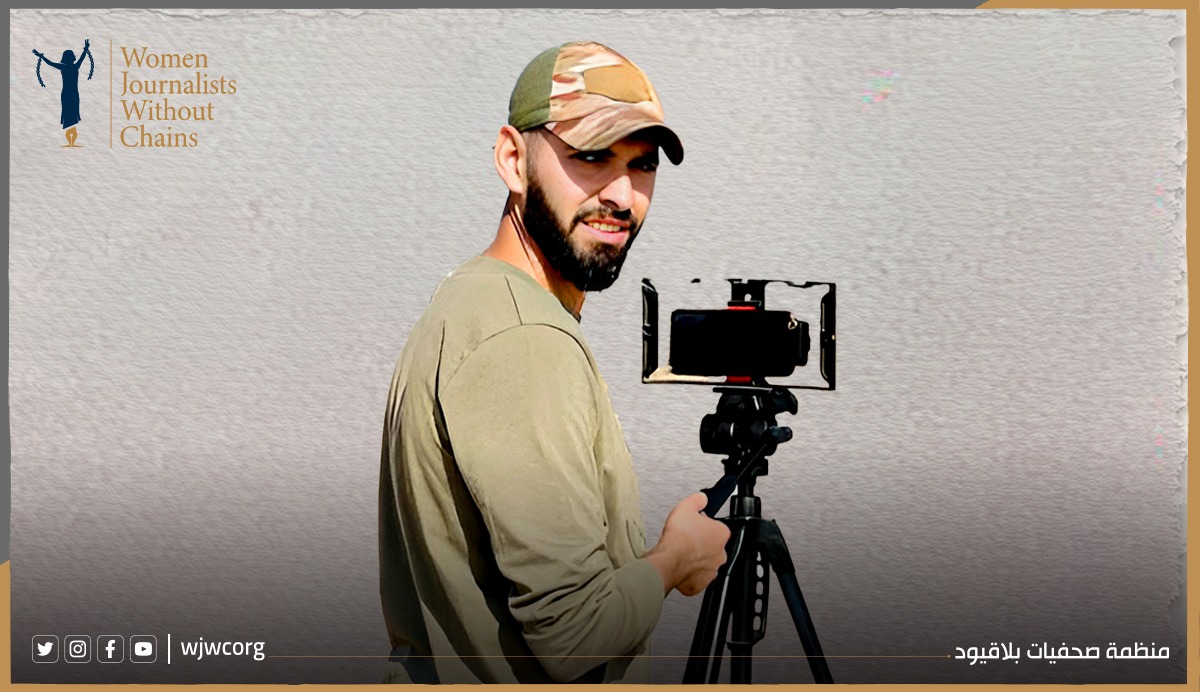
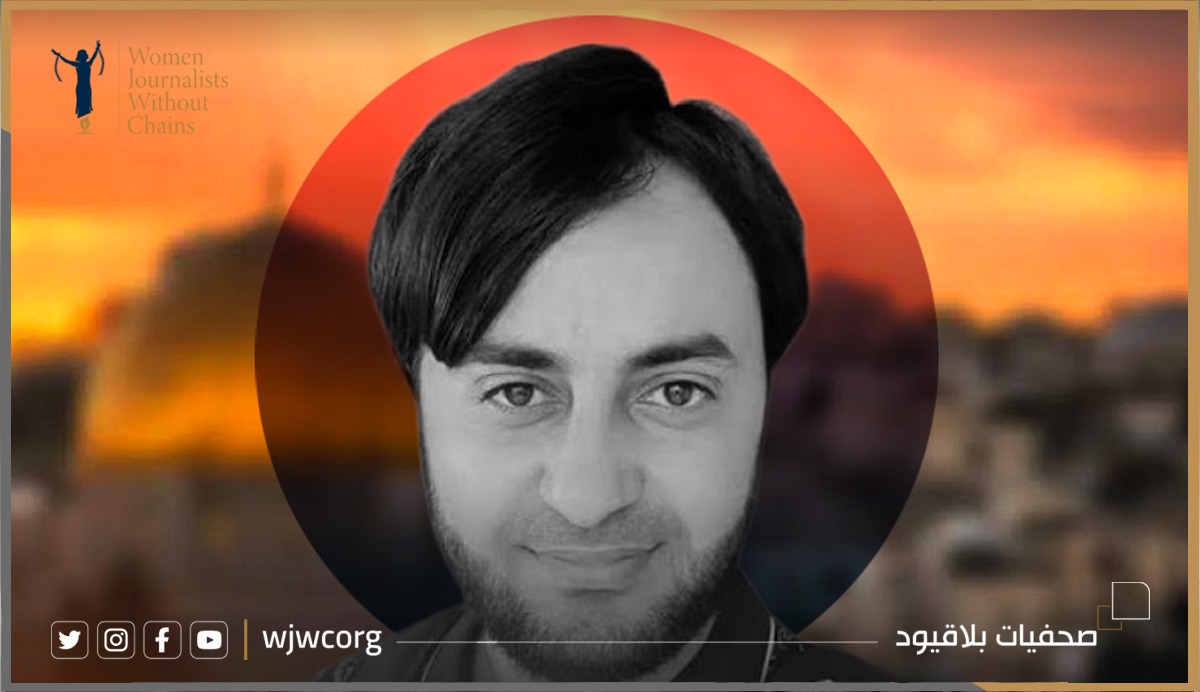
Women Journalists Without Chains (WJWC) strongly condemns the killing of Palestinian photojournalist Ahmed Washah, who was killed when Israeli forces carried out an airstrike on a residential home in Al‑Bureij refugee camp in central Gaza.
The strike also killed and injured civilians who had sought shelter inside the building.
Washah, a cameraman for Al Jazeera Mubasher, is the twelfth member of the Al Jazeera network to be killed by Israeli forces since October 2023. His death raises the reported number of Palestinian journalists killed during the war to 263, according to documentation by Women Journalists Without Chains.
WJWC stresses that Israeli forces have continued to kill journalists and attack civilian areas throughout Gaza, creating an increasingly dangerous environment for media professionals and severely restricting independent reporting from the territory. The organization emphasizes that attacks against journalists undermine the public’s right to information and hinder efforts to document violations and establish accountability.
The organization notes that Ahmed Washah’s killing came less than three months after the death of his brother, Mohammed Washah, an Al Jazeera Mubasher correspondent, who was killed in April 2026 when Israeli forces bombed the vehicle in which he was traveling west of Gaza City.
The attack occurred amid continuing Israeli military operations and ongoing violations of the ceasefire agreement announced in October 2025. According to figures released by the Palestinian Ministry of Health, Israeli forces have killed 1,007 Palestinians since 10 October 2025, while recovery teams have retrieved 784 bodies from beneath the rubble, bringing the total number of deaths documented during the post‑ceasefire period to 1,791.
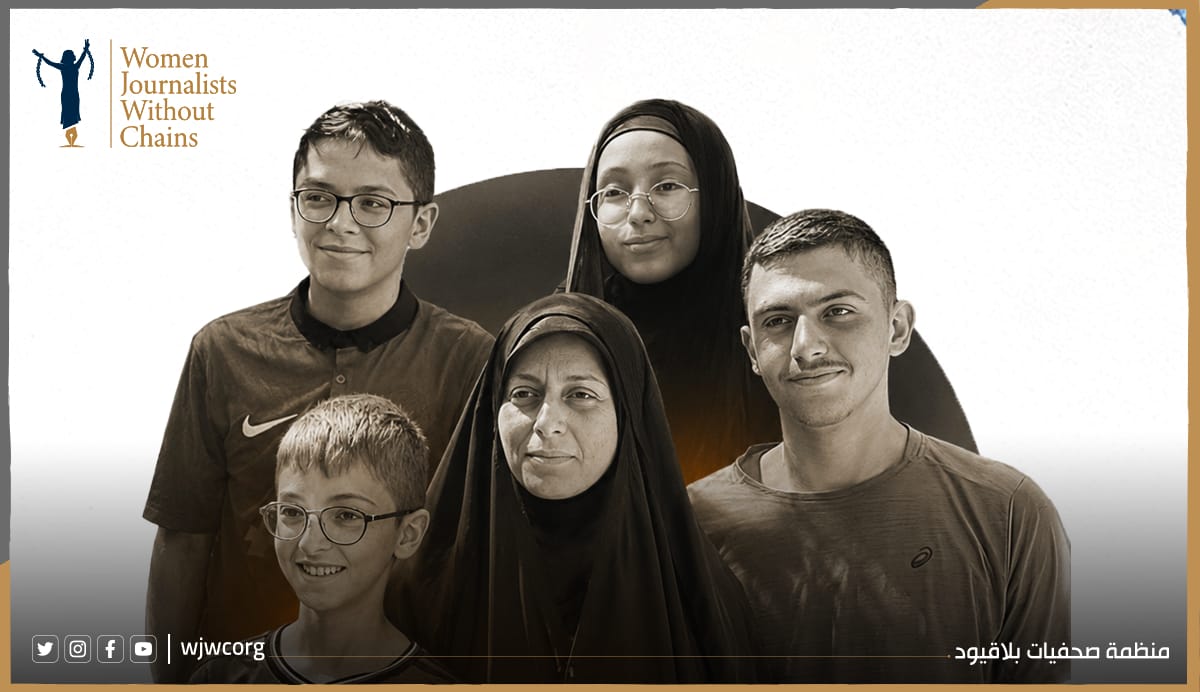
WJWC also draws attention to other recent attacks carried out by Israeli forces across the Gaza Strip, including the bombing of the Safadi family’s apartment, which killed Hussein Safadi, his wife, and their two daughters. The organization further notes continued artillery and naval shelling in Rafah, Khan Younis, and other areas of southern Gaza. These attacks have taken place alongside widespread displacement, with approximately 2.1 million Palestinians confined to increasingly overcrowded areas under deteriorating humanitarian conditions.
According to the Ministry of Health, the cumulative death toll since the beginning of the war has reached 73,018. Many victims remain trapped beneath collapsed buildings, while rescue and recovery operations continue to face severe obstacles as a result of ongoing bombardment and shortages of equipment, fuel, and essential resources.
WJWC emphasizes that Israel’s continued targeting of journalists and restrictions on access for international media contribute to an information blackout that obstructs independent documentation and weakens prospects for accountability. The organization also expresses concern over the continued exclusion of foreign journalists from Gaza and warns that such restrictions further limit public access to information regarding conditions on the ground.
The organization condemns the decision of the Israeli Supreme Court to grant the government additional time to consider allowing foreign journalists access to Gaza, stressing that continued restrictions on media access facilitate the concealment of violations and impede independent scrutiny of events inside the territory.
WJWC stresses that international humanitarian law affords special protection to journalists engaged in professional missions in areas of armed conflict. The killing of journalists by Israeli forces, attacks against civilians, and strikes on civilian objects may constitute serious violations of international humanitarian law and may give rise to individual criminal responsibility under international law. The organization further emphasizes that persistent attacks on civilians, journalists, and essential civilian infrastructure continue to raise grave concerns regarding the commission of war crimes, crimes against humanity, and acts of genocide.
Calls for International Action
Women Journalists Without Chains calls on the United Nations, the United Nations Human Rights Council, and the International Criminal Court to:
· Open independent investigations into the killing of Palestinian journalists and attacks against media workers in Gaza.
· Ensure accountability for all individuals responsible for violations of international humanitarian and human rights law.
· Provide international protection for journalists working in conflict zones, including the Gaza Strip.
· Guarantee unrestricted access for international media organizations and independent observers.
· Stop attacks against civilians and civilian infrastructure and ensure compliance with international humanitarian law.
· Secure humanitarian entry through all crossings into Gaza.