 En
En  Ar
Ar Justice Perverted: Arbitrary Detention and Harsh Sentencing in Egypt
Women Journalists Without Chains expresses grave concern over the continued use of arbitrary detention and the issuance of harsh judicial rulings in Egypt,
warning that recent developments reflect a broader pattern of repression targeting activists, journalists, and perceived government critics.
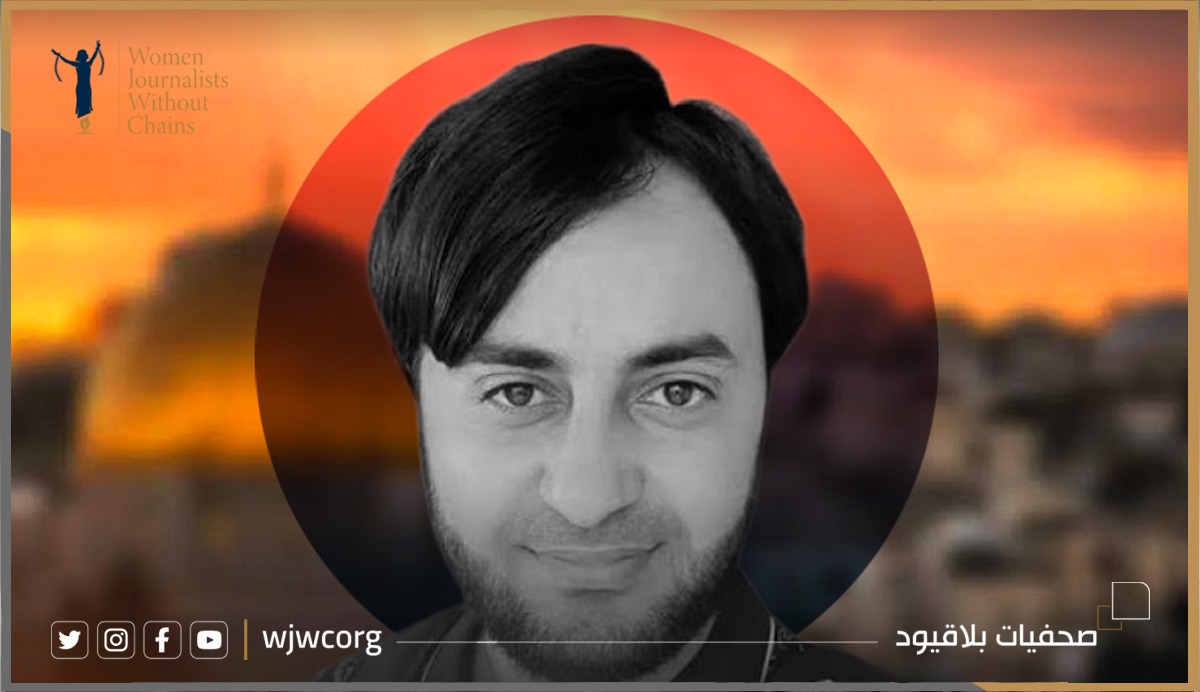
Renewal of Detention for Ahmed Douma
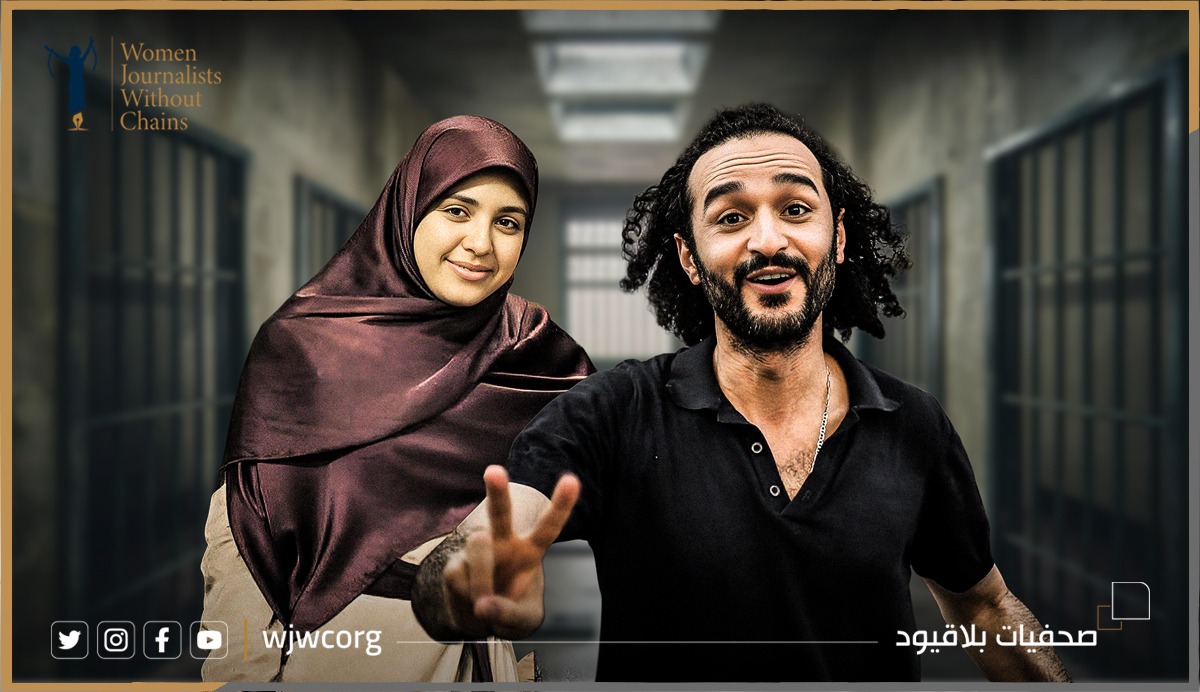
Women Journalists Without Chains calls on the Egyptian authorities to immediately release writer and activist Ahmed Douma, whose detention was renewed for 15 days following his arrest on April 6, 2026, on charges of “spreading false news” linked to social media posts and an opinion article addressing prison conditions.
The decision, issued by the Badr-Shorouk Misdemeanor Court, was justified on grounds of preventing flight, tampering with evidence, and safeguarding public order. However, the defense has firmly rejected these claims, stressing that the case pertains solely to publishing-related activities, which should not warrant pretrial detention under international legal standards.
Douma has acknowledged authorship of the content in question, emphasizing that his statements were based on personal experiences of past violations. He has also raised serious concerns regarding his current conditions of detention, including the denial of adequate medical care and the authorities’ failure to investigate his complaints.
Women Journalists Without Chains notes that Douma’s case is emblematic of a recurring pattern of legal harassment. Despite receiving a presidential pardon in 2023, he has been summoned for investigation at least six times within less than two years on similar charges, indicating a sustained effort to restrict his civic and expressive freedoms.
Harsh Sentences in Politically Charged Cases
In a related development, Women Journalists Without Chains expresses deep alarm over recent judicial rulings issued in proceedings that raise serious concerns regarding due process and fair trial guarantees.
On April 7, 2026, the Cairo Criminal Court handed down sentences ranging from life imprisonment to one year against dozens of defendants in the case widely referred to as the “Espionage with Turkey” case. The rulings included 37 individuals tried in person and 42 in absentia.
Among those sentenced is Somaya Maher Ahmed, who received a 10-year prison sentence after being held in pretrial detention for over eight years since her arrest on October 17, 2017, in Beheira Governorate.
Women Journalists Without Chains underscores that the prolonged detention preceding sentencing, combined with the severity of the rulings, reflects a troubling pattern in which judicial processes are used in ways that undermine fundamental safeguards, including the right to a defense, the presumption of innocence, and the prohibition of arbitrary detention.
Patterns of Abuse and Denial of Due Process
The organization highlights that these cases are accompanied by a range of documented violations, including arbitrary arrest, enforced disappearance, prolonged solitary confinement, and denial of access to legal counsel.
Testimonies and reports from families further illustrate the human cost of these practices. Appeals for justice, including those made by relatives of detainees, point to the profound psychological and social impact of prolonged detention and restricted contact with loved ones.
Women Journalists Without Chains emphasizes that such patterns indicate systemic shortcomings in ensuring fair trial standards and judicial independence.
Targeting of Detainees’ Families
Women Journalists Without Chains also warns of an alarming escalation in measures targeting the families of detainees.
In this context, the organization documented the detention of the wife of detainee Abdullah Abbas, who was apprehended on April 4, 2026, while attempting to visit her husband at Wadi El-Natrun Prison. She was later found to be held by State Security authorities in Menoufia Governorate.
The organization considers such actions a form of collective punishment aimed at exerting pressure on detainees through intimidation of their relatives, particularly women, in violation of fundamental human rights principles.
Systematic Use of Pretrial Detention and Repressive Legislation
Women Journalists Without Chains reiterates that the continued reliance on pretrial detention in cases related to expression, coupled with the issuance of severe sentences following prolonged incarceration, raises serious concerns regarding Egypt’s adherence to its constitutional obligations and international human rights commitments.
These practices undermine the principle of “innocent until proven guilty” and erode the right to a fair and public hearing. They are further compounded by the application of broad and restrictive legislation, including counterterrorism laws and laws regulating civil society, which are frequently used to curtail dissent and limit civic space.
Demands and Recommendations
In light of these developments, Women Journalists Without Chains calls on the Egyptian authorities to:
- Immediately and unconditionally release Ahmed Douma and all individuals arbitrarily detained in connection with the exercise of their rights to freedom of expression and peaceful activism.
- End the misuse of pretrial detention as a punitive measure in cases related to publishing and expression.
- Review judicial rulings in politically sensitive cases to ensure compliance with fair trial standards and due process guarantees.
- Initiate independent and transparent investigations into allegations of arbitrary detention, enforced disappearance, and other documented violations.
- Ensure full respect for detainees’ rights, including access to adequate medical care, legal representation, and regular communication with their families.
- Cease retaliatory measures against families of detainees and uphold protections against collective punishment.
Conclusion
Women Journalists Without Chains stresses that the persistence of such practices reflects a broader erosion of the rule of law and judicial safeguards in Egypt. The use of detention, prosecution, and punitive legislation to silence dissent not only violates fundamental human rights but also undermines the foundations of justice and accountability.
The organization calls on the international community to closely monitor these developments and to engage with Egyptian authorities to ensure the protection of fundamental freedoms and the rule of law.