 En
En  Ar
Ar 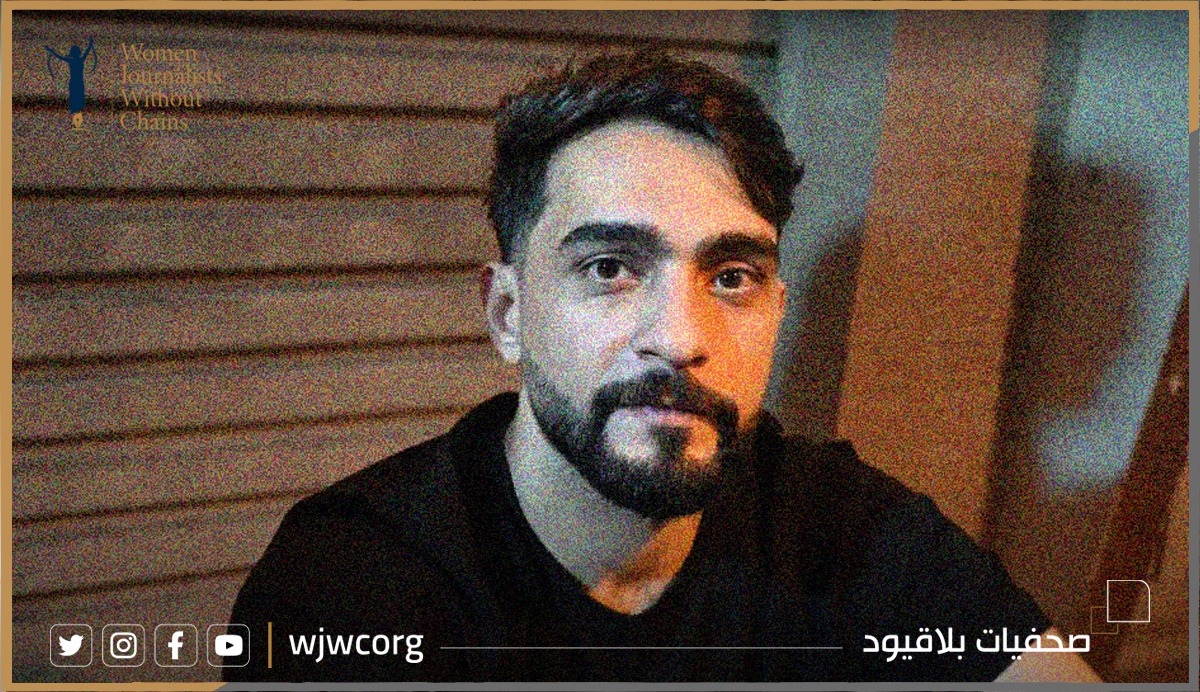
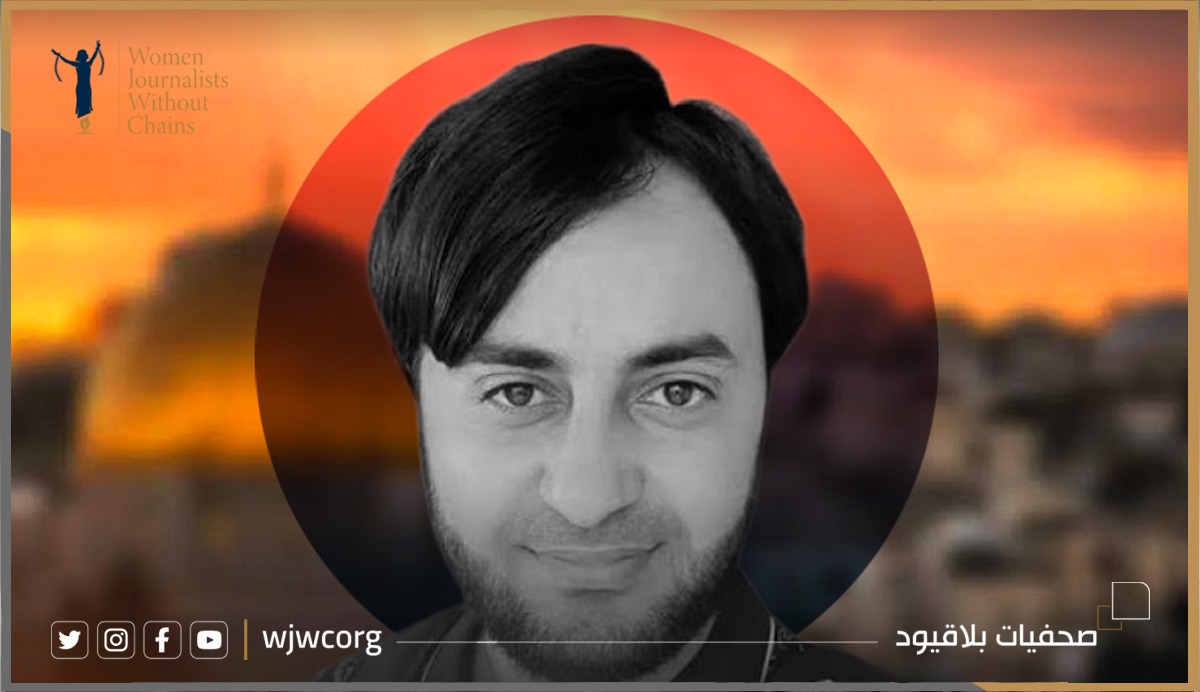
Women Journalists Without Chains strongly condemns the death of 32-year-old Bahraini detainee Sayed Mohammed Al-Moussawi while in the custody of the National Intelligence Agency (NIA),
describing the incident as a grave and deliberate act of torture resulting in extrajudicial killing.
Extensive documentation, eyewitness testimonies, and expert medical review indicate that Al-Moussawi’s death was not the result of natural causes, as claimed by authorities, but rather the direct consequence of severe and systematic physical abuse. This case represents a flagrant violation of international human rights law and forms part of a broader pattern of repression in Bahrain.
Documented Timeline of Enforced Disappearance and Death
· 19 March 2026: Al-Moussawi was last seen in the Tubli area before communication abruptly ceased. He disappeared alongside two individuals, Sayed Ahmed Al-Moussawi and Mustafa Yousef, under circumstances strongly suggesting security force involvement.
· For nine consecutive days, Bahraini authorities denied any knowledge of his whereabouts. During this period, the victim’s family traced activity from his mobile phone to the vicinity of Hamad Town Police Station, contradicting official denials and indicating possible unlawful detention.
· 27 March 2026: The family was instructed to report to the Bahrain Defence Force (BDF) Hospital, where they were informed of Al-Moussawi’s death. According to family testimonies and visual evidence reviewed by Women Journalists Without Chains, the body exhibited widespread signs of severe torture affecting multiple parts of the body.
Legal Characterization: Torture, Enforced Disappearance, and Obstruction of Justice
· Enforced Disappearance: The denial of detention and withholding of information regarding Al-Moussawi’s fate and whereabouts constitute enforced disappearance under international legal standards.
· Systematic Torture: Physical evidence—including extensive bruising, deep lacerations, and discoloration in vital areas—indicates repeated blunt-force trauma inflicted with solid objects. These acts amount to torture under Article 7 of the International Covenant on Civil and Political Rights and Article 2 of the Convention Against Torture, both binding on Bahrain.
· Obstruction and Misrepresentation: Authorities’ claim that Al-Moussawi died of a “heart attack” lacks forensic credibility. The absence of resuscitation indicators and the condition of the body suggest that death occurred well before official notification, raising serious concerns about deliberate concealment and obstruction of justice.
Part of a Wider Pattern of Repression
This case emerges within an escalating context of systematic repression in Bahrain. International human rights organizations, including Human Rights Watch and the Bahrain Institute for Rights and Democracy, have documented at least 286 arrests since the beginning of 2026 linked to the exercise of freedom of expression.
In the aftermath of his death, Bahraini authorities accused Al-Moussawi of “espionage” without presenting evidence, reflecting a recurring pattern of invoking broadly defined anti-terrorism provisions to criminalize dissent and shield abuses from scrutiny.
Calls for Urgent International Action
1. The Office of the United Nations High Commissioner for Human Rights must urgently establish an independent and impartial investigative mechanism into the circumstances surrounding Al-Moussawi’s death, given the absence of credible domestic accountability.
2. All individuals responsible—including officers and senior leadership within the National Intelligence Agency—must be identified and prosecuted in accordance with international standards of fair trial and due process.
3. Bahraini authorities are fully accountable for the safety of Sayed Ahmed Al-Moussawi and Mustafa Yousef. Their whereabouts must be disclosed immediately and they must be granted guaranteed access to legal representation and family contact.
4. Bahrain must revoke the arrest and detention powers of the National Intelligence Agency and implement the outstanding recommendations of the Bahrain Independent Commission of Inquiry, particularly those related to torture prevention and oversight.
5. Key international partners, notably the United States and the United Kingdom, must exert meaningful pressure on Bahraini authorities to end grave human rights violations and ensure that security cooperation does not contribute directly or indirectly to torture or ill-treatment.
Conclusion
The death of Sayed Mohammed Al-Moussawi is not an isolated incident but a stark manifestation of entrenched patterns of abuse within Bahrain’s security apparatus. Without immediate international intervention and genuine accountability, such violations are likely to persist with impunity.
Women Journalists Without Chains reiterates its commitment to pursuing justice for victims and to documenting grave human rights violations wherever they occur.