 En
En  Ar
Ar Escalating Crackdown on Freedom of Expression and Rule of Law in Kuwait
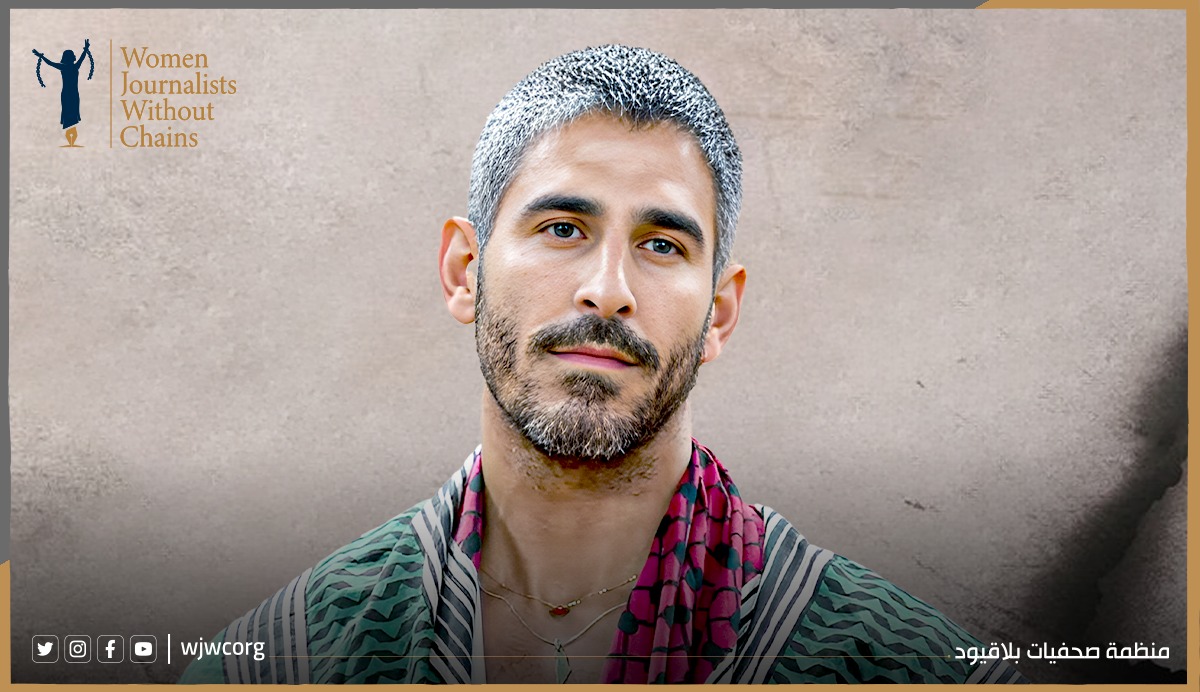
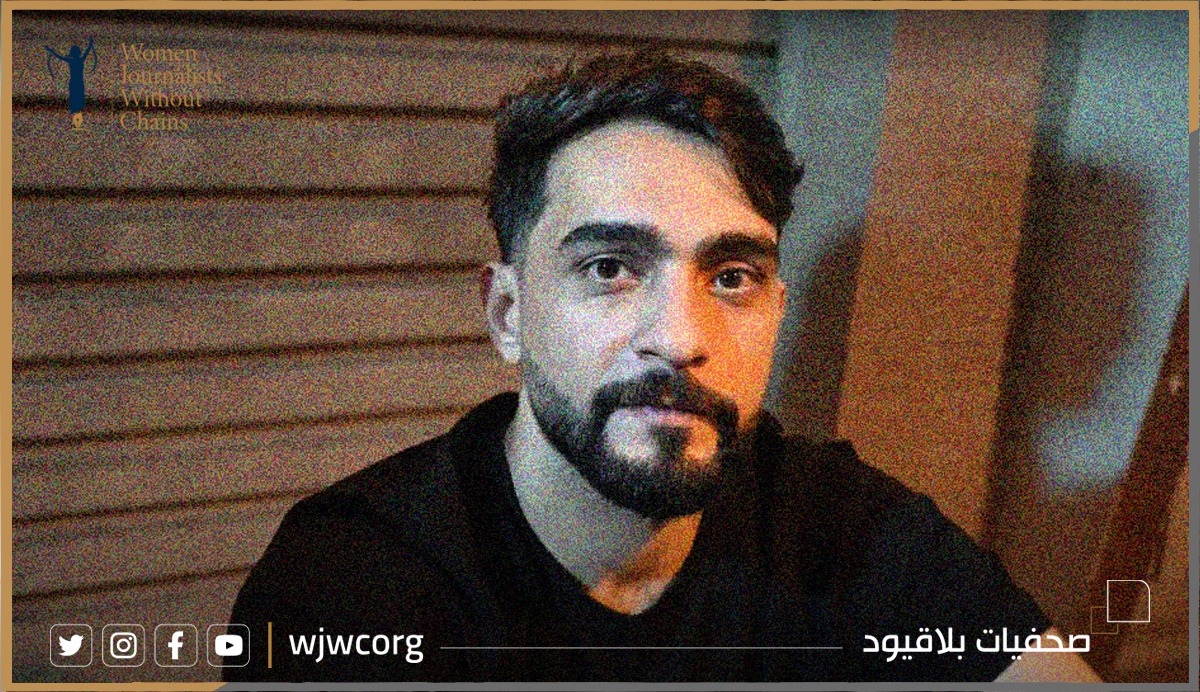
Women Journalists Without Chains expresses grave concern over the accelerating deterioration of fundamental freedoms and judicial safeguards in Kuwait, as authorities continue the arbitrary detention and prosecution of internationally recognized journalist Ahmad Shihab al-Din.
His case reflects a broader pattern of repression marked by the misuse of exceptional courts, vague security legislation, and systematic restrictions on freedom of expression.
Arbitrary Detention and Criminalization of Journalism
Ahmad Shihab al-Din, a 41-year-old Kuwaiti journalist born in the United States and an award-winning contributor to leading international media outlets, was arrested on March 3, 2026, in Kuwait City. He has since remained in detention for over six weeks, with only restricted access to legal counsel, in clear violation of his due process rights.
The charges against him stem directly from his professional journalistic activities, including reporting on the crash of a United States fighter jet in the Jahra area. Authorities have accused him of “spreading false information harmful to national security,” despite the fact that the information in question was already publicly available. The use of broadly framed accusations such as “undermining state security,” “misuse of telecommunications,” and “weakening the morale of the armed forces” reflects a deliberate pattern of criminalizing legitimate journalistic work.
Women Journalists Without Chains stresses that prosecuting journalists for disseminating publicly accessible information constitutes a direct violation of the right to freedom of expression and access to information, as protected under both Kuwait’s Constitution and international human rights law.
Wider Campaign of Arbitrary Arrests and Enforced Isolation
The case of Ahmad Shihab al-Din is not an isolated incident. Dozens of activists, journalists, and online commentators have reportedly been detained in recent weeks as part of a sweeping crackdown following heightened regional tensions.
Documented cases indicate that detainees have been held in State Security facilities for prolonged periods—sometimes incommunicado—without access to lawyers or family members. Many were later transferred to the Public Prosecution and placed in pretrial detention for 21 days pending investigation, without clear legal justification or transparency regarding the charges against them.
Such practices amount to arbitrary detention and enforced isolation, in violation of Article 9 of the International Covenant on Civil and Political Rights, to which Kuwait is a State Party.
Exceptional Courts and the Undermining of Judicial Independence
The referral of Ahmad Shihab al-Din to a special court designated for state security and terrorism-related cases—established by decree on March 31, 2026—raises serious concerns regarding the erosion of judicial independence and the right to a fair trial.
These exceptional courts, ostensibly created to expedite proceedings, lack essential safeguards, including transparency, equality of arms, and the right to adequate defense. Their use in cases involving freedom of expression effectively transforms ordinary journalistic activity into a matter of national security, blurring the line between legitimate dissent and criminal conduct.
Women Journalists Without Chains warns that the expansion of such parallel judicial mechanisms represents a dangerous departure from constitutional guarantees and undermines the integrity of the justice system.
Repressive Legislative Framework Enabling Abuse
Recent legislative developments in Kuwait have significantly expanded the authorities’ capacity to suppress dissent through vaguely defined and overly broad legal provisions:
- Law No. 47 (2026) on Combating Terrorist Crimes introduces sweeping definitions of terrorism that include ambiguous concepts such as “spreading fear” or “endangering public safety,” enabling authorities to prosecute peaceful expression under the guise of counterterrorism.
- Law No. 13 (2026) on Protecting Military Interests criminalizes the publication of information deemed to “undermine confidence,” “damage morale,” or “harm the prestige” of the armed forces. These undefined terms grant wide discretionary powers to silence journalists, bloggers, and anti-corruption advocates.
Both laws took immediate effect upon publication, consolidating a legal environment that facilitates arbitrary enforcement and restricts civic space.
Weaponization of Citizenship and Structural Rights Erosion
The adoption of Decree-Law No. 52 (2026) on Citizenship marks a further escalation in the erosion of fundamental rights. This decree grants the executive branch sweeping authority to revoke citizenship without judicial oversight or parliamentary scrutiny.
On April 13, 2026, authorities reportedly stripped citizenship from 2,182 individuals and families in a single day. This development raises serious concerns about the use of nationality as a tool of political coercion and collective punishment, in violation of international legal standards governing the right to nationality.
Women Journalists Without Chains underscores that the arbitrary deprivation of citizenship constitutes a profound violation of human dignity and identity, with far-reaching social, economic, and legal consequences.
A Systematic Shift Toward Authoritarian Governance
The convergence of arbitrary arrests, exceptional courts, restrictive legislation, and citizenship revocation reflects a systematic policy aimed at suppressing dissent and restructuring public space through fear and exclusion.
The increasing opacity surrounding arrests and trials, combined with restrictions on media coverage and information flow, signals a deliberate attempt to insulate state practices from scrutiny. Such measures risk transforming Kuwait into a closed system where accountability mechanisms are effectively neutralized.
Women Journalists Without Chains warns that these developments not only violate fundamental human rights but also pose a long-term threat to social cohesion, institutional legitimacy, and political stability.
Demands and Recommendations
Women Journalists Without Chains calls on the Kuwaiti authorities to:
- Immediately and unconditionally release Ahmad Shihab al-Din and all individuals detained solely for exercising their rights to freedom of expression and peaceful dissent.
- Cease the use of exceptional courts and ensure that all defendants are tried before ordinary, independent, and impartial courts, with full guarantees of due process and fair trial rights.
- Suspend and review repressive legislation, including Law No. 47 (2026), Law No. 13 (2026), and Decree-Law No. 52 (2026), to ensure full compliance with Kuwait’s constitutional obligations and international human rights standards.
- End the arbitrary revocation of citizenship and guarantee that any decisions related to nationality are subject to judicial oversight and due process.
- Ensure transparency and accountability in all detention and prosecution procedures, including immediate access to legal counsel and family members.
Conclusion
Women Journalists Without Chains emphasizes that the exploitation of regional crises to justify the erosion of fundamental rights is both unlawful and unsustainable. Repressive measures targeting journalists and activists undermine the very foundations of democratic governance and risk entrenching a climate of fear and impunity.
The organization urges the international community, including partner governments and relevant United Nations mechanisms, to take immediate and coordinated action to safeguard fundamental freedoms in Kuwait and to protect journalists and human rights defenders at this critical juncture.
Author’s Posts
-
Escalating Crackdown on Freedom of Expression and Rule of Law in Kuwait
Bahrain: Torture Death Demands Probe
Condemnation of Defamation Campaign Targeting Journalist Hanan Faza’a
A coordinated defamation and smear campaign has been launched against journalist Hanan Faza’a, a presenter at Al-Mahriya TV, acros...
Apr 13, 2026
-
Al-Wazi’iyah’s Escalating Military Operations Raise Concerns of Potential War Crimes
Lebanon: Israeli Strikes Kill Journalists and Cultural Figures in Escalating Attacks on Civilians
Related Articles