 En
En  Ar
Ar Wadi al‑Natrun Death Reignites Fears Over Egypt’s Brutal Prison System
Egypt - March 24, 26 - Women Journalists Without Chains expresses profound alarm at the continued rise in deaths inside Egyptian prisons and detention facilities, a pattern that reflects deep structural failures and long‑standing human rights violations.
The organization calls on the Egyptian authorities to take urgent, concrete measures to protect detainees’ lives, ensure their physical and psychological safety, and open independent, transparent investigations into every reported death in custody.
A Death That Exposes a Decade of Neglect
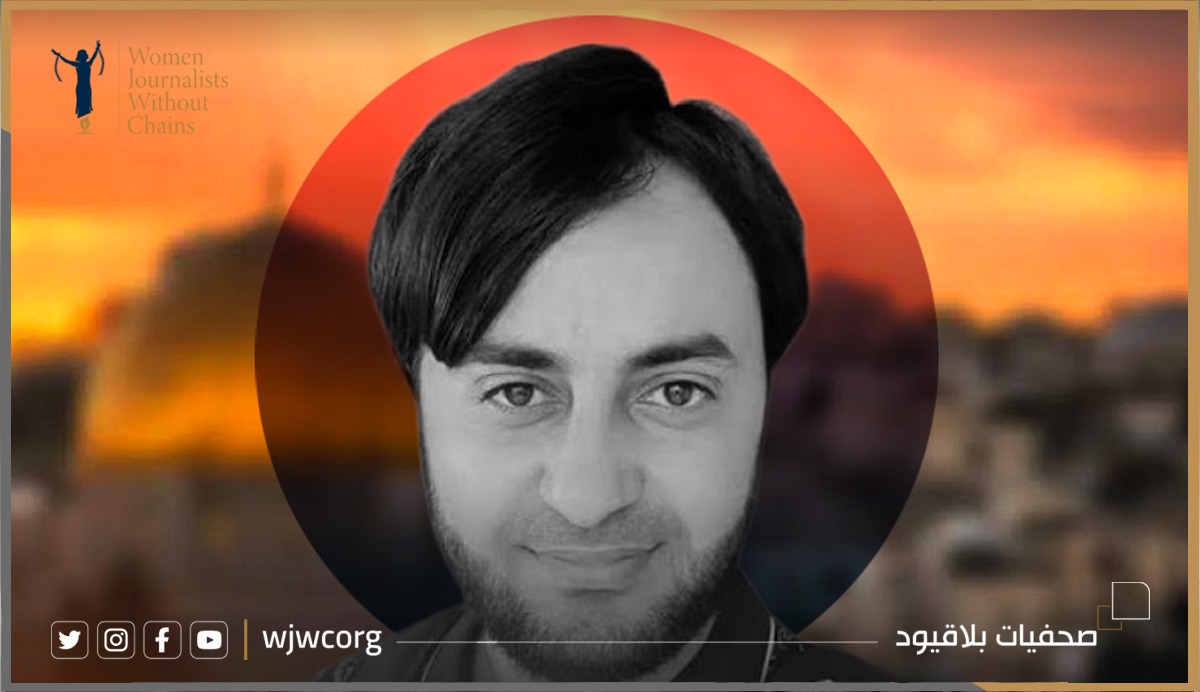
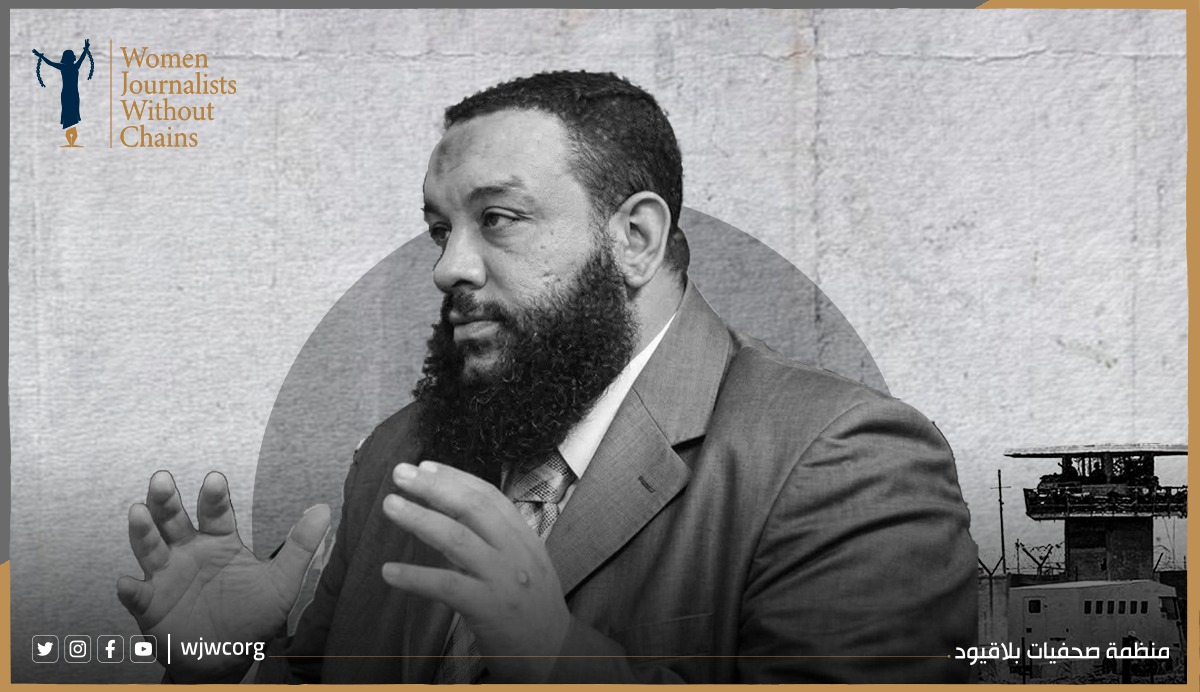
On 11 March, lawyer Gamal Saber, aged 50, died inside Wadi al‑Natrun Prison after more than twelve years of imprisonment marked by persistent medical neglect. Saber, one of Egypt’s longest‑held political detainees, was arrested on 19 March 2013 in connection with the case known as the “Shubra Events.” Over the years, he was transferred between multiple prisons, each transfer accompanied by further deterioration in his health and living conditions.
According to available information, Saber repeatedly called out for assistance on the night before his death, but his pleas went unanswered. He was found lifeless the following morning—another preventable death in a system where neglect has become routine rather than exceptional.
Women Journalists Without Chains affirms that the Egyptian authorities bear full legal and moral responsibility for Saber's death. As the custodial power, the state is obligated to guarantee detainees’ safety, provide adequate medical care, and prevent conditions that endanger life.
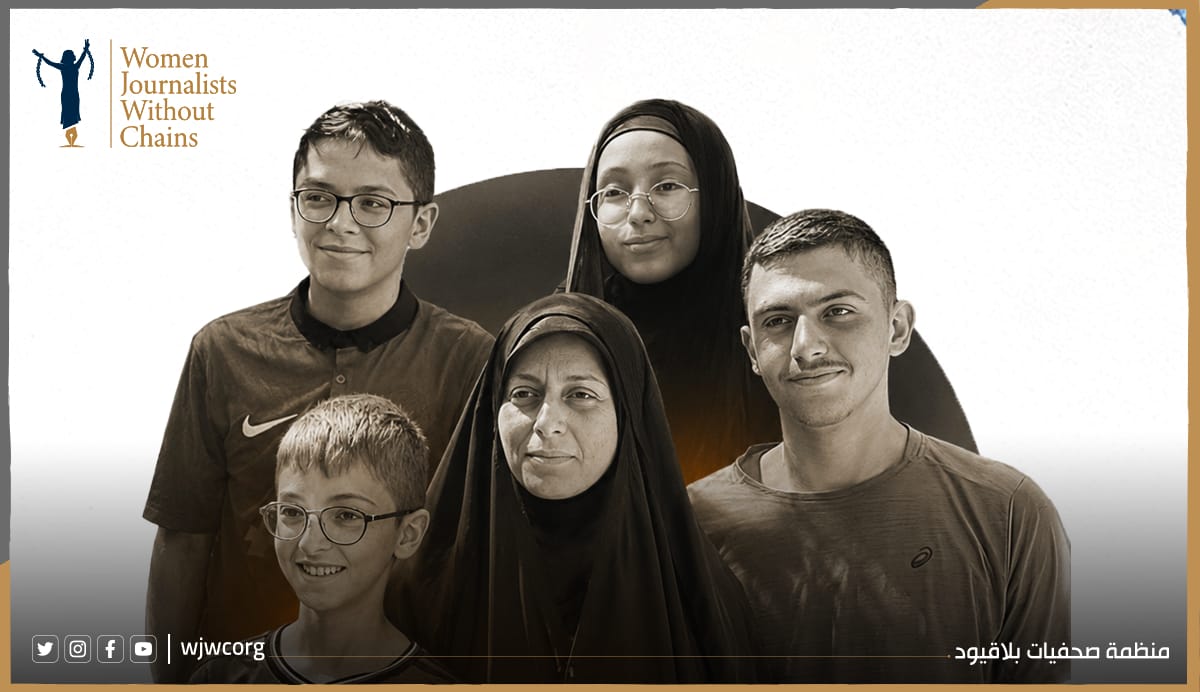
Saber was widely known for serving as the campaign manager for presidential candidate Hazem Salah Abu Ismail during the 2012 elections. His personal tragedy was compounded by the arrest of his two sons alongside him in March 2013—one still in secondary school and the other at the beginning of university. The trauma of detention led one of them to develop a severe psychological disorder, illustrating the multigenerational impact of political repression.
A Pattern of Deaths, Not Isolated Incidents
Since the beginning of January, Women Journalists Without Chains has documented at least seven deaths in detention facilities. These include two Sudanese nationals, two Egyptian citizens—one detained over a family‑support case and another in a criminal case—and two academics imprisoned for years on politically motivated charges. These cases reflect a broader crisis in Egypt’s detention system, where overcrowding, inadequate healthcare, and punitive conditions have become entrenched.
The organization warns that these deaths are not isolated tragedies but symptoms of a system that routinely violates detainees’ rights. They mirror long‑standing concerns about torture, ill‑treatment, denial of medical care, and the systematic erosion of fair‑trial guarantees. Women Journalists Without Chains fears that such conditions continue to threaten the lives of tens of thousands of political detainees held since the mass arrests of 2013.
The organization recalls its June 2025 report, “Prisons Without Keys: How Egypt’s Detention System Kills Life, Rights, and Hope,” which documented the devastating physical, psychological, and social consequences of prolonged detention under abusive conditions.
Deaths Among Political Prisoners: A Continuing Crisis
On 11 February, Egyptian human rights groups reported the death of Dr. Galal Abdel‑Sadeq Mohamed Hassan, aged 74, in Badr 3 Prison after a severe decline in his health. Dr. Hassan had spent 12 years in detention following his arrest on 24 November 2013. Despite completing his sentence, authorities refused to release him and instead recycled him into new cases—a practice widely condemned by rights groups. Before his arrest, he served as head of the Physics Department at Assiut University and authored numerous academic papers. During his imprisonment, he became paralyzed, developed chronic illnesses, and relied entirely on a wheelchair.
Another death was recorded on 23 January, when lawyer Shams al‑Din Ahmed Attallah died inside 10th of Ramadan Prison, four years after his arrest in November 2021 for his work defending political detainees. Women Journalists Without Chains notes with grave concern that his son, Mohamed, has been forcibly disappeared since 2018—an example of how repression often extends to entire families.
Previous human rights reports reviewed by Women Journalists Without Chains documented at least 54 deaths in detention facilities during the past year alone. Causes ranged from untreated medical conditions to deliberate neglect and the harsh, degrading conditions that characterize many Egyptian prisons.
In recent months, detainees have staged peaceful protests—including hunger strikes—in several prisons, demanding humane living conditions, access to medical care, and improvements in food, water, and sanitation. Letters smuggled from inside detention centers paint a harrowing picture of suffering. One such letter, written by student Mudathir Mohamed Abdel‑Hamid from his cell in 10th of Ramadan Prison on 7 January, described the profound sense of despair, physical exhaustion, and psychological trauma experienced by detainees.
Legal Obligations and State Responsibility
Women Journalists Without Chains stresses that safeguarding detainees’ right to life and bodily integrity is not optional—it is a binding legal obligation under Egyptian and international law.
Under the Egyptian Constitution, the state must uphold human dignity, prohibit torture, and ensure access to healthcare. The Prisons Regulation Law requires prison administrations to provide medical care, conduct regular health examinations, and transfer detainees to hospitals when necessary.
Internationally, Egypt is a party to the International Covenant on Civil and Political Rights and the Convention Against Torture, and is bound by the Nelson Mandela Rules, which clearly state that the state bears direct responsibility for detainees’ medical care and well‑being.
Urgent Demands
In light of the escalating crisis, Women Journalists Without Chains calls for:
- Independent judicial investigations into all deaths in custody, with findings made public.
- Immediate release of all detainees held on politically motivated charges.
- Independent medical committees to assess healthcare conditions in prisons.
- A comprehensive review of solitary‑confinement policies and other punitive measures.
- Strict enforcement of court rulings without delay.
- Transparent investigations into all cases of enforced disappearance.
- Full alignment of detention conditions with international human rights standards to protect the right to life, dignity, and humane treatment.
Women Journalists Without Chains reiterates that the ongoing loss of life inside Egypt’s prisons is a direct consequence of systemic neglect and abusive policies. Without decisive action, more detainees will continue to die in silence, far from their families and denied the most basic protections owed to every human being.