 En
En  Ar
Ar Morocco: University Expulsions Target Student Activists in Kenitra
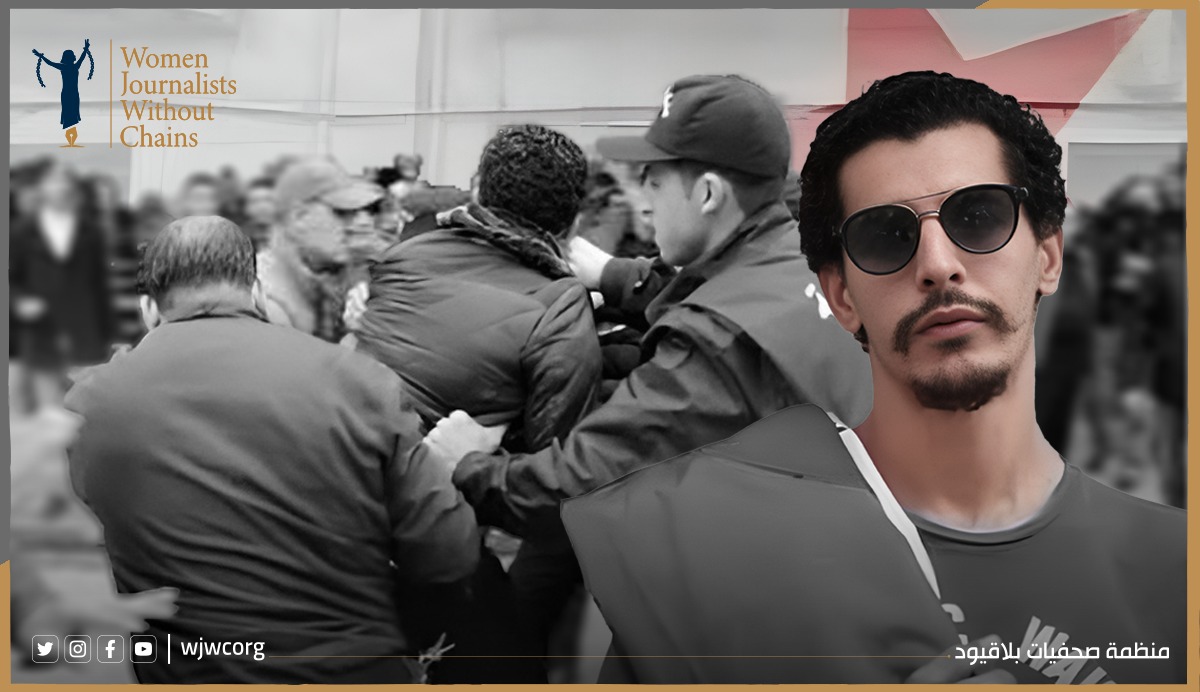
Morocco – March 2026 – Disciplinary measures taken by the administration of Ibn Tofail University in Kenitra have resulted in the expulsion of at least 18 students affiliated with the National Union of Moroccan Students (UNEM),
including three students who were already in detention at the time of the decision.The expulsions raise serious concerns regarding due process and the protection of fundamental rights within academic institutions.
According to documentation and testimonies from students’ families and human rights activists, the decisions were linked to the students’ participation in peaceful protests opposing draft law 59.24 on higher education. Among those expelled are Abdelmonaim Krouch, Said Belyouk, and Bilal Bentata, all of whom were reportedly under arrest due to their student activism.
Available information indicates that the expulsions were carried out without sufficient legal justification and without ensuring fair procedural safeguards, including the right of the students to respond to the allegations against them. The measures appear to be directly connected to peaceful student activities rather than to any established disciplinary violations.
The timing of the expulsions, which coincides with arrests, prosecutions, and prison sentences against a number of student activists, points to a broader pattern of restrictions affecting student organizing and participation in public debate within university settings.
Under Moroccan law and international human rights standards, students are entitled to protection of their rights to education, freedom of expression, and freedom of association. The Moroccan Constitution guarantees these rights, while international obligations, including the International Covenant on Civil and Political Rights, prohibit arbitrary interference with peaceful assembly and expression.
Disciplinary measures within universities must comply with principles of legality, necessity, and proportionality, and must be carried out through fair and transparent procedures. This includes providing clear grounds for disciplinary action and ensuring the right to defense. The absence of these safeguards in the reported cases raises concerns regarding the lawfulness of the decisions.
The use of expulsion as a response to peaceful student activism risks undermining the role of universities as spaces for open dialogue and intellectual exchange. It also raises concerns about the erosion of academic freedoms and the ability of students to engage in lawful civic activity without fear of reprisal.
Immediate steps are required to address these concerns. Authorities should ensure that all disciplinary measures taken against students comply with domestic legal standards and international human rights obligations. Expulsion decisions that fail to meet these standards should be reviewed and revoked.
The international community, including relevant human rights bodies, should closely monitor developments related to student rights in Morocco and engage with national authorities to ensure compliance with international legal commitments. Efforts should focus on safeguarding academic freedoms, protecting the right to peaceful expression, and preventing the misuse of disciplinary or judicial measures to restrict lawful student activity.
Authorities and university administrations should also engage in constructive dialogue with student representatives to address concerns related to higher education policies, including draft law 59.24, through inclusive and participatory processes rather than punitive measures.
The protection of students’ rights within academic institutions is essential to maintaining an open and democratic society. Ensuring respect for these rights requires adherence to the rule of law, accountability for violations, and a commitment to preserving universities as spaces for free expression and debate.
Released by:
Women Journalists Without Chains
March 17, 2026