 En
En  Ar
Ar 
The global observance of World Press Freedom Day 2026 comes at a critical and somber juncture for the Middle East and North Africa.
Over the past twelve months, Women Journalists Without Chains has documented a systematic and profound deterioration of the regional media landscape, marked by a dangerous shift from restrictive environments to conditions of acute and existential threat. Journalism in the region now operates under a shadow of grave risk, where the safety of media workers is no longer merely compromised but is being deliberately undermined. In conflict-affected contexts, the escalation of violence against journalists has reached levels that require urgent international scrutiny within the framework of international humanitarian law, including potential war crimes. This trajectory signals a severe erosion of the protections traditionally afforded to those who document and disseminate information.
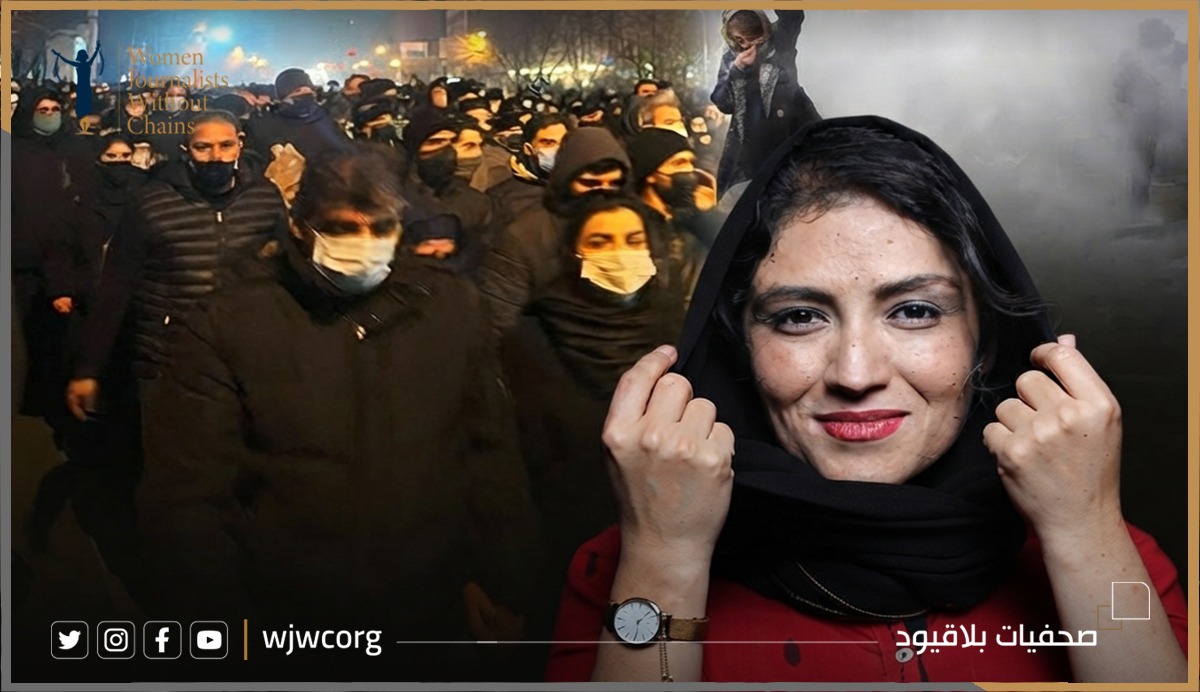
This decline is further compounded by a disturbing convergence of physical violence and the weaponization of the judiciary. From the increasing incidence of extrajudicial killings to the systematic use of domestic counterterrorism and cybercrime legislation, both state and non-state actors are increasingly treating independent journalism as a target for suppression. As detailed in our comprehensive report, Pens Under Fire: Journalism’s Existential Battle in MENA, these dynamics are particularly acute for women journalists. They face compounded and intersecting violations, operating in an environment where political repression converges with gender-based violence and coordinated digital defamation campaigns—tactics designed to marginalize their voices and exclude them from public life.
Reflecting on these developments, Tawakkol Karman, Nobel Peace Prize Laureate and Chair of Women Journalists Without Chains, stated that 2026 represents a critical moment marked by the weakening of international protection frameworks under the pressure of digital authoritarianism and entrenched institutional repression. She emphasized that journalists in the region are no longer confronted solely with the inherent risks of their profession, but are increasingly subjected to systematic physical targeting and sustained moral persecution. The international community’s limited response to violations in Gaza, Sudan, and Yemen, as well as its inaction in the face of restrictive legislation in countries such as Egypt, Jordan, and across the Gulf, risks emboldening further abuses and enabling the systematic eradication of independent information.
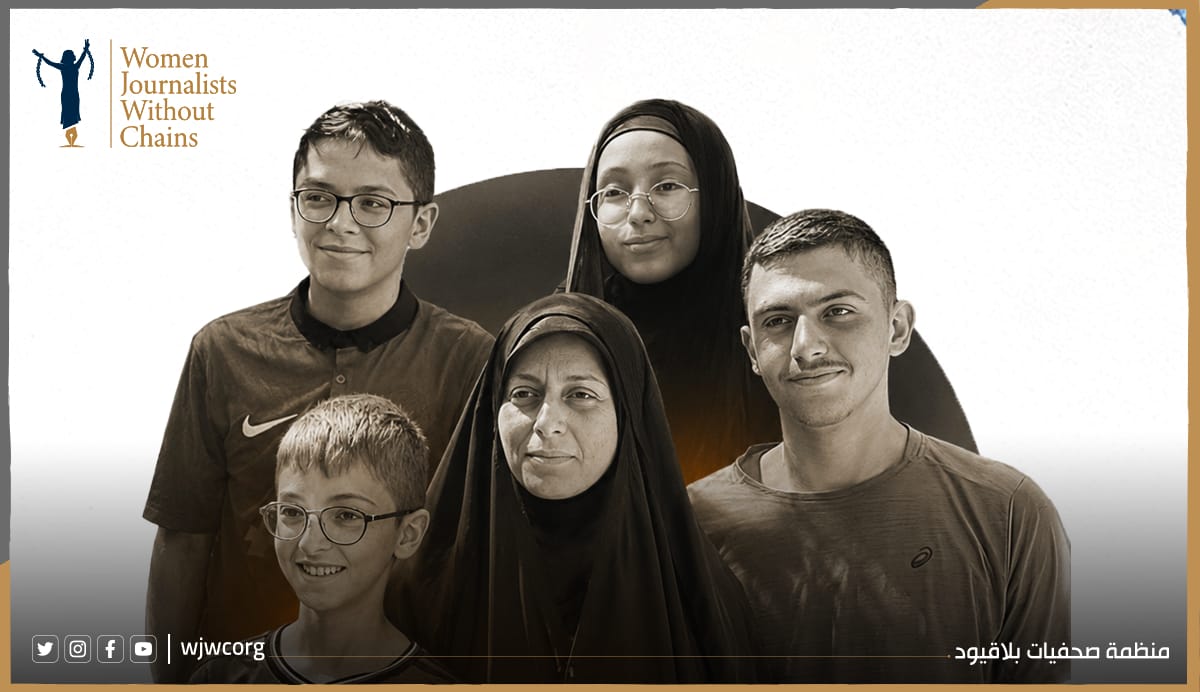
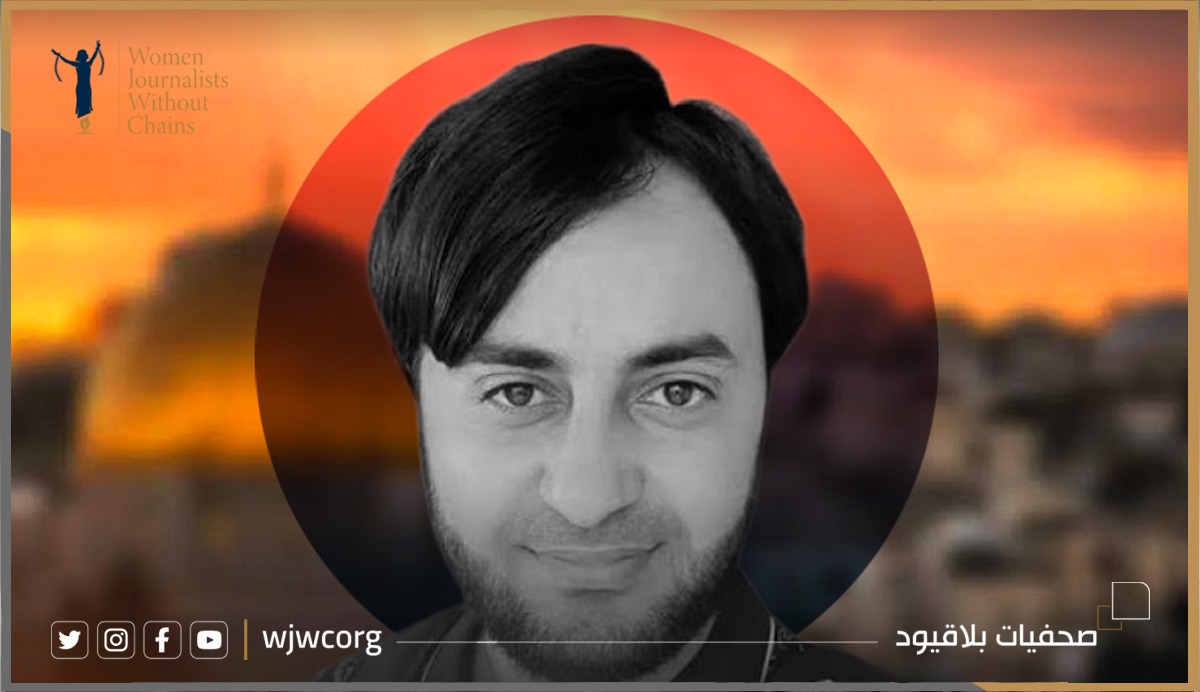
The geographical scope of these violations reflects a region-wide assault on the right to information. In the Occupied Palestinian Territories, a sustained pattern of targeting has resulted in the deaths of at least 207 media workers, with evidence indicating that a number of these cases involved deliberate strikes. Similar patterns of silencing are evident in Sudan and Yemen, where grave violations—including the use of starvation and sexual violence as methods of warfare—have been directed against journalists. Across the Gulf Cooperation Council states and Iran, media environments remain subject to extensive state control. The execution of journalists, the revocation of nationality, and the enforcement of so-called “anti-rumor” laws in countries such as the United Arab Emirates and Oman illustrate the extent to which dissent is met with severe and often irreversible consequences. From the detention of journalists on broadly framed charges in Egypt to the criminalization of expression under Decree 54 in Tunisia, legal systems across the region have increasingly been repurposed to restrict, rather than protect, freedom of expression.
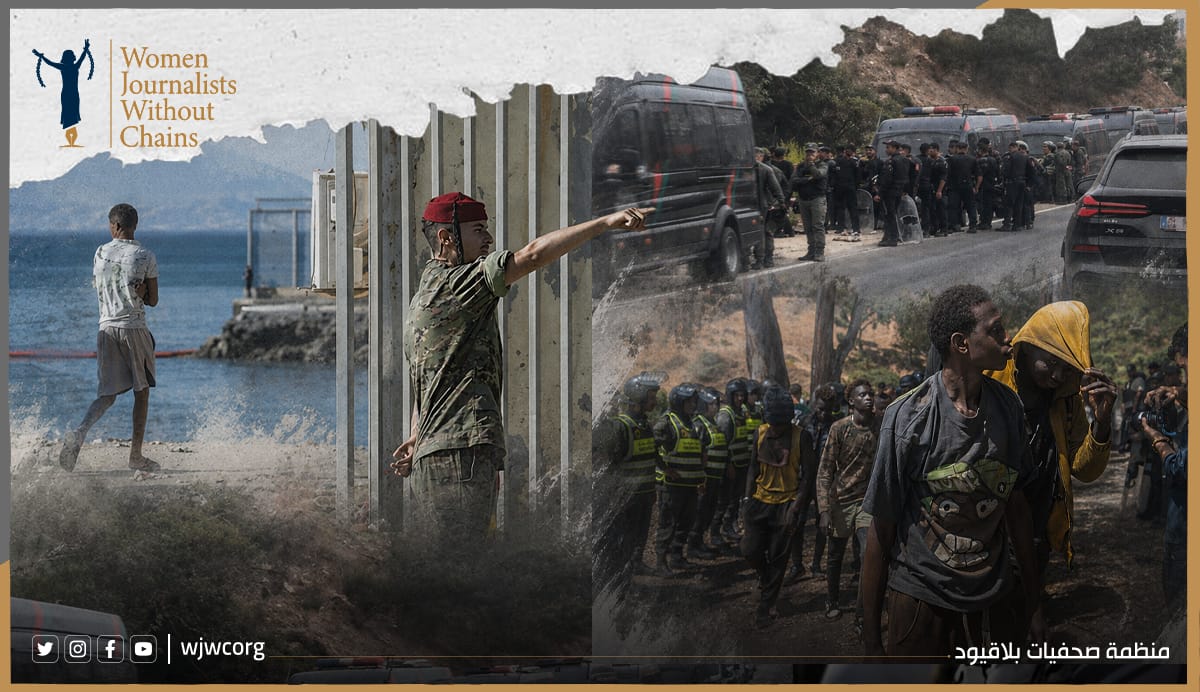
Women Journalists Without Chains affirms that these documented patterns constitute serious violations of states’ obligations under international human rights and humanitarian law. The deliberate targeting of journalists and media infrastructure in Palestine, Lebanon, and Yemen raises grave legal concerns and warrants the activation of international accountability mechanisms, including the principle of universal jurisdiction. Arbitrary detention practices documented in countries such as Egypt, Sudan, and the United Arab Emirates violate fundamental protections enshrined in the International Covenant on Civil and Political Rights. Moreover, the misuse of cybercrime and counterterrorism legislation in countries including Jordan and Morocco directly contravenes international standards that prohibit the use of national security justifications as a pretext to suppress peaceful expression.
In light of these findings, Women Journalists Without Chains calls for the immediate and unconditional reversal of these repressive trends. All journalists detained solely for the exercise of their professional duties must be released without delay, and governments must undertake urgent legislative reforms to repeal or amend laws that enable arbitrary detention, the criminalization of journalism, and the revocation of nationality on political grounds. At the international level, the United Nations Human Rights Council must establish independent and impartial investigative mechanisms to address violations against journalists, particularly in conflict settings, and to break the prevailing cycle of impunity.
The time for expressions of concern alone has passed. The international community must move decisively toward the adoption of concrete, coordinated, and time-bound measures to protect journalists, uphold the right to information, and preserve the integrity of the public sphere across the Middle East and North Africa.
Issued by:
Women Journalists Without Chains
May 3, 2026