 En
En  Ar
Ar Flooding Displaces Landmines, Expanding Civilian Risk Across Multiple Governorates
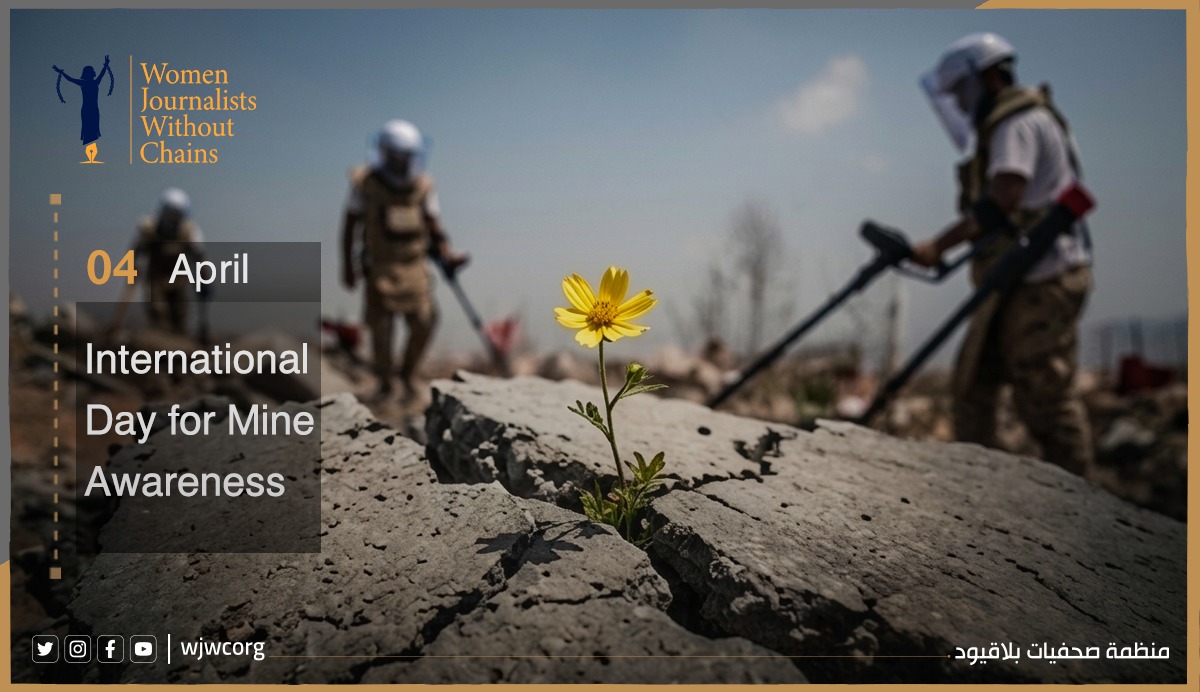
Geneva— April 4, 2026 — Flooding triggered by heavy seasonal rains in late March has displaced landmines and improvised explosive devices (IEDs) across several areas in Yemen,
significantly expanding the threat to civilians and altering the already complex pattern of contamination in conflict-affected areas. The movement of explosive remnants has been reported in Taiz, Hodeidah, Marib, Hajjah, and Al-Jawf, where communities are now facing heightened and unpredictable risks in both rural and coastal environments.
Field documentation covering the period from January to March 2026 recorded at least 35 civilian casualties resulting from landmine and IED explosions across these governorates. The victims included 13 children and two women. Of the total, 20 civilians were killed, including nine children, while 15 others were injured, among them four children and two women. The incidents reflect the continued lethality of explosive contamination and its disproportionate impact on vulnerable populations, particularly children.
Among the deadliest incidents documented was an explosion on February 1, when a naval mine detonated beneath a commercial boat off the coast of Dhubab in the Bab al-Mandab Strait, killing eight civilians and injuring four others. The vessel was traveling along a routine trade route between Mokha and Al-Salif port when the blast occurred. The use of naval mines in civilian maritime routes underscores the expanding scope of risk beyond land-based areas.
Earlier, on January 13, three children from the same family were killed in Wadi Nawa in Sirwah District, Marib Governorate, when a landmine exploded while they were playing near their home. In Taiz Governorate, a farmer was killed on January 25 after triggering a landmine while working on his land north of Mokha. Additional incidents included the killing of a child and the serious injury of another on February 5 in Hayfan District, as well as a landmine explosion on March 6 in Al-Jawf that killed two civilians and injured four others traveling along a desert road.
Further casualties were recorded on March 12 in Hajjah Governorate, where three children were killed and a fourth seriously injured when a landmine exploded while they were herding livestock. On March 17, two children were killed and several civilians, including women and children, were injured in an explosion in Beit al-Faqih District, south of Hodeidah. These incidents underscore the extent to which landmines have become embedded in daily civilian life, affecting farming, grazing, transportation, and even play.
The situation has been further aggravated by environmental factors. Field observations and local reports indicate that floodwaters have carried landmines and explosive devices from frontline areas into agricultural lands, valleys, and civilian routes. In western Taiz, residents reported finding explosive devices embedded in mud and debris along flood channels extending from former confrontation zones into populated areas, including Mawza and Mokha districts. Similar discoveries were made in wadis and seasonal waterways, where mines had been transported over considerable distances.
In Hajjah Governorate’s Hayran District, local sources reported that anti-tank mines were found lodged among rocks and sediment in agricultural lands following recent floods. These developments indicate that contamination is no longer static but increasingly mobile, making it significantly more difficult for civilians to identify safe areas and for demining teams to map and clear affected zones.
Visual evidence reviewed from affected areas shows that some explosive devices were deliberately camouflaged to resemble natural objects such as stones. This method of concealment complicates detection and increases the likelihood of accidental detonation, particularly in rural settings where civilians rely on the land for agriculture and grazing. The presence of such devices in everyday environments raises serious concerns about the scale and nature of the threat.
Yemen remains one of the most heavily contaminated countries in the world with landmines and explosive remnants of war. Since the escalation of conflict in March 2015, more than 10,689 casualties have been recorded as a result of such devices, including both deaths and injuries. Estimates suggest that over 2.3 million landmines have been planted across the country, contributing to widespread and enduring contamination.
The humanitarian impact extends beyond immediate casualties. Large areas of farmland have been rendered unusable, undermining food production and threatening livelihoods in a country already facing severe food insecurity. Roads and transport routes have become hazardous, restricting movement and access to essential services. Entire communities have been displaced due to contamination, with families forced to abandon their homes and sources of income.
Children continue to bear a disproportionate share of the impact. Available data indicates that they represent a significant percentage of landmine victims, in part due to their daily exposure to contaminated environments and the deceptive design of some devices. The long-term consequences include not only loss of life but also permanent disabilities, including amputations and vision loss, placing additional strain on limited healthcare and rehabilitation services.
It is estimated that approximately 6.9 million people in Yemen are in need of mine clearance services and risk education. Despite ongoing demining efforts, the scale of contamination far exceeds current response capacity. While hundreds of thousands of explosive devices have been cleared in recent years, continued contamination and environmental displacement—particularly due to flooding—are undermining progress.
NGO Statement and Legal Assessment
In a statement issued to mark the International Day for Mine Awareness and Assistance in Mine Action on April 4, Women Journalists Without Chains described the situation as a worsening humanitarian threat driven by both systematic deployment and environmental redistribution of landmines.
The organization stated that the widespread use of landmines and IEDs by Houthi forces reflects a pattern of indiscriminate harm to civilians, in violation of international humanitarian law. It emphasized that the placement of explosive devices in civilian areas—including farmland, roads, and coastal waters—demonstrates a failure to distinguish between civilian and military objectives.
Women Journalists Without Chains also raised concern over the use of camouflaged explosive devices designed to resemble natural objects or everyday items, noting that such practices increase the risk to civilians and undermine protections afforded under international legal frameworks, particularly those related to the protection of children.
From a legal standpoint, the organization indicated that the documented patterns of use may constitute serious violations of international humanitarian law and could amount to war crimes under relevant legal instruments. It referenced the prohibition on the use of inherently indiscriminate weapons and highlighted obligations under international conventions banning anti-personnel mines.
The organization further stressed that accountability mechanisms must be activated to address these violations, including the documentation and preservation of evidence and the pursuit of individual criminal responsibility for those involved in the planning, ordering, or execution of such acts.
Call for International Action
In light of these findings, Women Journalists Without Chains called on the international community, including the United Nations and specialized mine action agencies, to take urgent and coordinated action to address the escalating threat posed by landmines in Yemen.
The organization urged increased pressure on those responsible for the continued use of landmines to immediately cease their deployment and to cooperate with efforts aimed at clearance and risk mitigation. It also called for a significant expansion of demining operations, supported by sustained funding and technical resources.
Women Journalists Without Chains emphasized the importance of strengthening mine risk education programs, particularly in rural and high-risk areas, to help civilians recognize and avoid the dangers of contamination. The organization also called for greater support to victims, including access to emergency medical care, rehabilitation services, prosthetics, and psychosocial assistance.
Finally, the organization urged international mechanisms to prioritize the investigation of landmine-related violations in Yemen, with a view to ensuring accountability and preventing impunity. It warned that without meaningful intervention, the continued presence and spread of landmines—exacerbated by environmental factors—will entrench a long-term humanitarian crisis affecting generations to come.
Describing landmines as a “deadly legacy,” Women Journalists Without Chains stressed that addressing this crisis requires a comprehensive and sustained approach encompassing prevention, clearance, victim assistance, and accountability, in order to safeguard civilian lives and support recovery efforts across Yemen.